
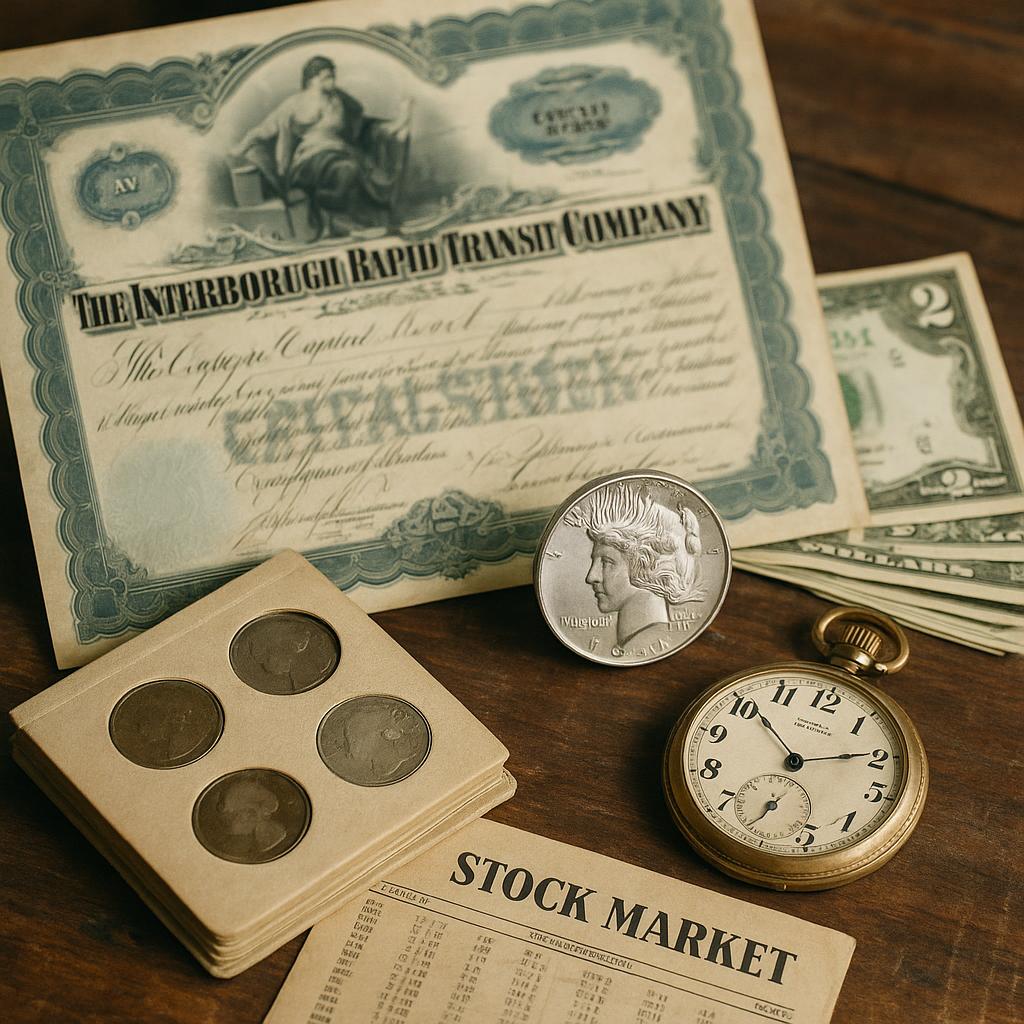
Introduction to Vintage Financial Collectibles
Collecting vintage financial documents, coins, stamps, and historical finance memorabilia offers a unique window into the economic past. These items not only hold monetary value but also tell compelling stories about the evolution of commerce, currency, and trade. Whether you’re a seasoned collector or just starting, understanding the nuances of this niche enriches the collecting experience.
Why Collect Vintage Financial Documents?
Financial documents such as old stock certificates, bonds, and banknotes are prized for their artistic designs and historical significance. They often feature intricate engravings, signatures of notable figures, and unique watermarks that reflect the era’s culture and technology. Collectors appreciate these documents for their ability to connect them to pivotal moments in economic history.
When examining vintage financial documents, consider the following:
- Condition and preservation quality, including any tears or discoloration.
- Rarity and the issuing institution or company’s historical impact.
- Authenticity verified by reputable sources or experts.
Coins: Tiny Time Capsules of Economic History
Coins are among the most tangible relics of financial history, capturing the political and economic climate of their time. Collecting vintage coins involves an appreciation for metallurgy, minting techniques, and historical context. Coins from defunct countries, special mintings, or commemorative issues often draw particular interest.
Important aspects to evaluate in vintage coins include:
- Mint marks and year of issue, which can indicate rarity.
- Material composition, such as silver, gold, or copper content.
- Wear and patina, which affect both value and aesthetic appeal.
The Allure of Financial Stamps
Stamps related to financial transactions, such as revenue stamps, offer a specialized collecting avenue. These stamps were used to collect taxes or fees on legal documents, tobacco, alcohol, and other goods. Their designs and usage reveal much about government finance and taxation policies over time.
Key tips for collecting financial stamps include:
- Studying the different types of revenue stamps and their purposes.
- Preserving them carefully to avoid damage from adhesives or environmental factors.
- Researching the historical context surrounding their issuance.
Historical Finance Memorabilia: Beyond Paper and Metal
This category encompasses a broad range of artifacts like old ledgers, teller tickets, bank advertising materials, and financial tools. Such memorabilia provide insight into the daily operations and marketing strategies of past financial institutions. Collectors value these items for their rarity and the vivid glimpses they offer into bygone financial worlds.
When seeking historical finance memorabilia, consider:
- The provenance and story behind each piece.
- Originality and intactness of the item.
- Relevance to significant financial events or institutions.
Tips for Starting and Growing Your Collection
Beginning a collection in vintage financial items requires research, patience, and careful selection. Start by focusing on one category that interests you most, and gradually expand your knowledge and acquisitions. Networking with other collectors, attending auctions, and consulting reference books or catalogs can enhance your expertise.
Essential advice for collectors includes:
- Always verify authenticity to avoid counterfeits or reproductions.
- Invest in proper storage solutions to protect your items from damage.
- Document your collection with photographs and notes for insurance and resale purposes.
Preservation and Display Strategies
Maintaining the condition of vintage financial collectibles is crucial for preserving their value and historical integrity. Environmental factors such as humidity, light exposure, and temperature fluctuations can cause deterioration. Using acid-free sleeves, archival boxes, and UV-protective glass are effective ways to safeguard your collection.
Consider these preservation techniques:
- Store documents and stamps in climate-controlled environments.
- Handle coins with gloves or appropriate tools to prevent oils and dirt transfer.
- Display items responsibly, avoiding direct sunlight and harsh lighting.