
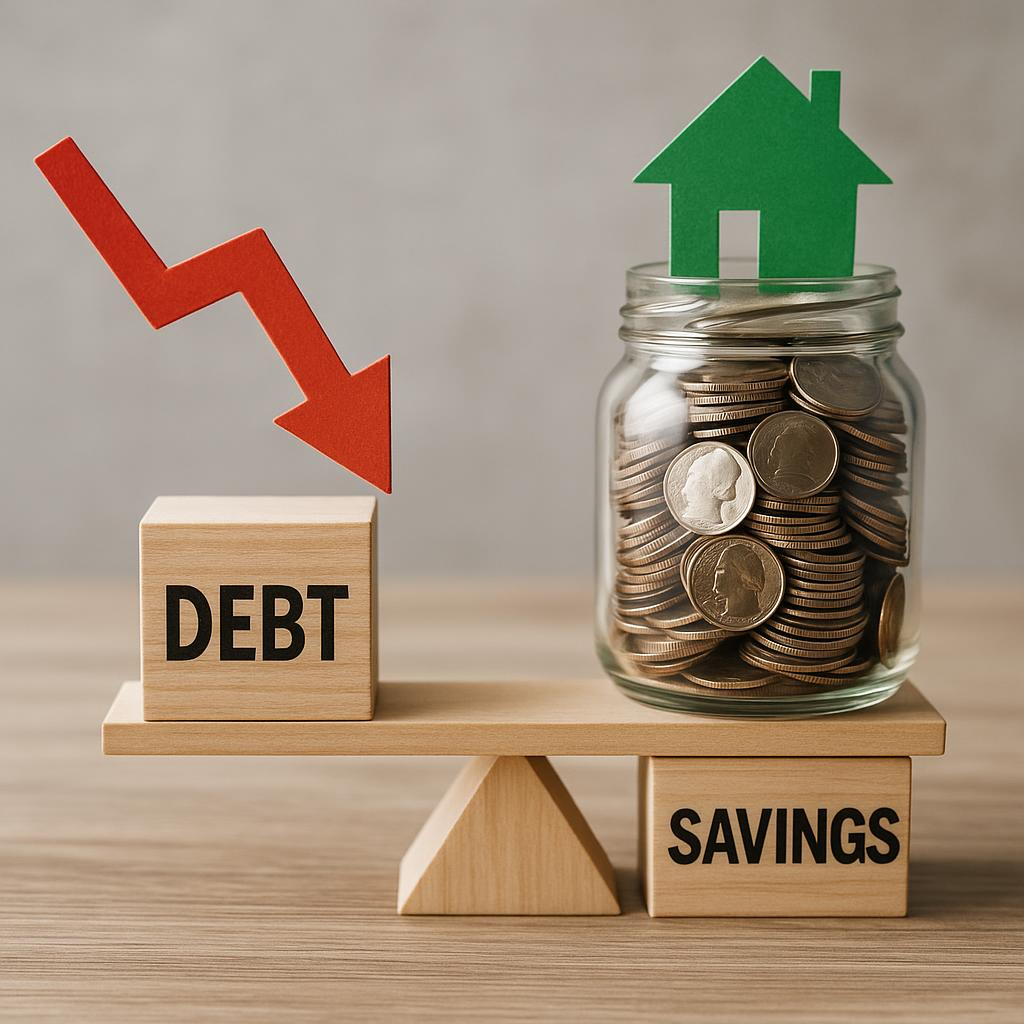
Balancing Debt Repayment with Saving Goals
Managing debt alongside saving for future goals can feel overwhelming, but with the right approach, it’s entirely feasible. The key lies in creating a strategy that addresses both priorities without sacrificing one for the other. Establishing a balanced financial routine helps maintain progress on debt reduction while steadily growing your savings.
Before diving into tactics, it’s essential to analyze your current financial situation. Understanding your income, expenses, debt obligations, and saving targets provides a foundation to build a workable plan.
Prioritize High-Interest Debt First
High-interest debt, such as credit card balances, can quickly drain your finances due to compounding interest. Prioritizing this debt helps reduce overall interest payments and frees up money that can be redirected toward savings.
Consider the following steps to tackle high-interest debt efficiently:
- List all debts with their interest rates and outstanding balances.
- Focus on paying off the debt with the highest interest rate while maintaining minimum payments on others.
- Once the highest-interest debt is cleared, shift attention to the next highest interest debt.
Establish an Emergency Fund Early
An emergency fund acts as a financial buffer, preventing you from accumulating additional debt when unexpected expenses arise. Even while paying down debt, it’s crucial to build and maintain this fund.
Start by aiming for a small, manageable amount—such as $500 to $1,000—before aggressively focusing on debt repayment. This approach helps avoid setbacks and keeps your financial progress steady.
Create a Realistic Budget That Supports Both Goals
Budgeting is the backbone of managing debt and saving simultaneously. A well-crafted budget allocates funds based on priorities and realistic spending limits, ensuring you don’t neglect either goal.
To build an effective budget:
- Track all income and categorize expenses into essentials, debt payments, savings, and discretionary spending.
- Set specific monthly targets for debt repayment and savings contributions.
- Adjust discretionary spending to free up more money for your financial goals.
Use the Debt Snowball or Debt Avalanche Method
Two popular repayment strategies can help maintain motivation and efficiency: the debt snowball and debt avalanche methods. Each has its merits depending on your preferences and financial situation.
The debt snowball focuses on paying off the smallest balances first, providing quick wins that build momentum. The debt avalanche targets debts with the highest interest rates, saving money over time by minimizing interest payments.
- Debt Snowball: Pay minimums on all debts, add extra payments to the smallest balance until it’s cleared, then move to the next.
- Debt Avalanche: Pay minimums on all debts, put extra funds toward the highest interest debt first, then proceed down the list.
Automate Savings and Debt Payments
Automation removes the temptation to skip payments or savings contributions and ensures consistency. Setting up automatic transfers for debt payments and savings contributions streamlines your financial management.
This method reduces stress by eliminating manual tracking and helps you stick to your plan even during busy periods.
Adjust Your Plan as Goals and Circumstances Change
Financial situations evolve, so it’s important to revisit and adjust your debt management and savings strategies regularly. Life events, income changes, or shifting priorities may require tweaking your approach.
Conduct quarterly or biannual reviews to evaluate progress and make necessary adjustments. Being flexible allows you to stay on track toward your goals without feeling trapped by rigid plans.
Consider Additional Income Streams
Increasing income can accelerate debt repayment and boost savings simultaneously. Exploring side gigs, freelance work, or monetizing hobbies can provide extra funds dedicated to your financial goals.
Even modest additional income can make a significant difference over time when applied consistently to debt and savings.