
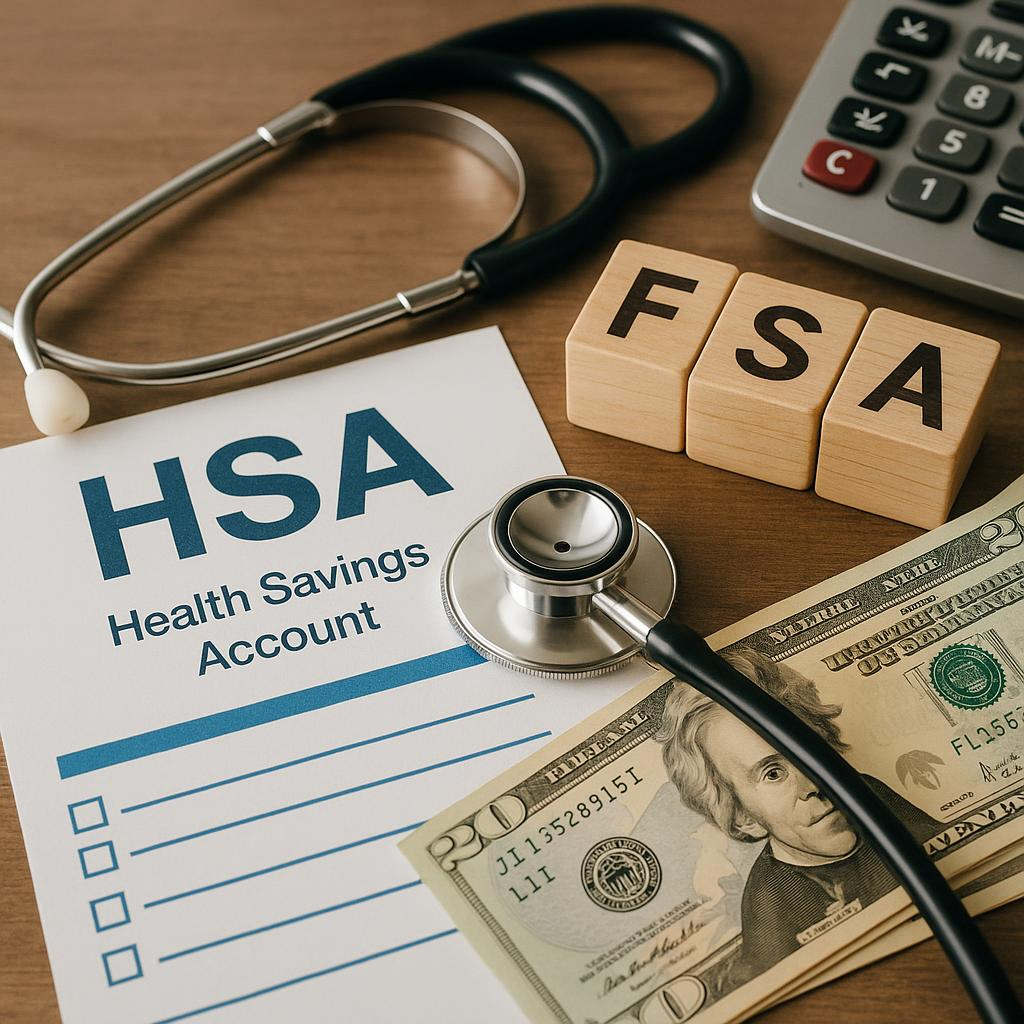
Understanding HSAs and FSAs
Health Savings Accounts (HSAs) and Flexible Spending Accounts (FSAs) are powerful financial tools designed to help individuals manage healthcare expenses more effectively. Both accounts offer tax advantages that can reduce the overall cost of medical care, but they differ in structure and eligibility. Knowing how each account functions is essential to making the most of your healthcare dollars.
HSAs are typically paired with high-deductible health plans (HDHPs) and allow you to save money tax-free for qualified medical expenses. FSAs, on the other hand, are employer-established benefit plans that let you set aside pre-tax income to cover eligible healthcare costs within a plan year. These distinctions affect how you plan and spend your healthcare funds.
Tax Advantages That Save You Money
One of the most compelling benefits of HSAs and FSAs is their tax efficiency. Contributions to both accounts reduce your taxable income, helping you keep more of your earnings. With HSAs, contributions are tax-deductible, the funds grow tax-free, and withdrawals for qualified medical expenses are also tax-free.
FSAs provide immediate tax savings by allowing contributions through salary reduction before taxes are calculated. This means you pay less in federal income tax, Social Security, and Medicare taxes. These tax benefits can add up significantly over time, especially when managing regular medical expenses.
Flexibility and Control Over Your Healthcare Spending
HSAs offer remarkable flexibility because the funds you contribute roll over year to year. There’s no “use-it-or-lose-it” policy, so your savings can grow and be available whenever you need them. This makes HSAs ideal for long-term healthcare savings, including planning for retirement medical costs.
FSAs, however, generally require you to use the funds during the plan year, though some employers offer a grace period or allow a small carryover amount. This setup encourages careful budgeting for predictable healthcare expenses like prescription drugs and routine check-ups, giving you greater control over your immediate health spending.
Wide Range of Qualified Medical Expenses
Both HSAs and FSAs cover a broad spectrum of qualified medical expenses, helping you save on costs that might not be fully covered by insurance. Eligible expenses include doctor visits, prescription medications, dental work, vision care, and certain over-the-counter treatments.
By using these accounts to pay for such services, you effectively reduce out-of-pocket costs. It’s important to keep receipts and verify eligible expenses to ensure compliance with IRS rules and maximize the benefits of your accounts.
Employer Contributions and Incentives
Many employers enhance the value of HSAs and FSAs by making contributions on behalf of their employees. Employer contributions to HSAs can boost your savings without increasing your own out-of-pocket costs. This additional funding can accelerate your ability to cover unexpected medical expenses.
Similarly, some employers offer FSAs as part of a benefits package, making it easier to allocate pre-tax funds toward healthcare. These contributions and incentives can make a significant difference in your overall healthcare budget, adding extra value beyond your personal contributions.
How to Choose Between an HSA and an FSA
Choosing the right account depends on your health insurance plan, healthcare needs, and financial goals. If you have a high-deductible health plan, an HSA is often the better choice for its triple tax benefits and rollover feature. It’s well-suited for individuals planning to save for future medical expenses.
If your employer offers an FSA and you expect predictable healthcare costs within the year, an FSA can help you save on taxes and manage expenses more efficiently. Keep in mind the use-it-or-lose-it rule when estimating your annual healthcare spending to avoid forfeiting unused funds.
Actionable Tips to Maximize Your Account Benefits
To get the most out of your HSA or FSA, start by estimating your anticipated healthcare expenses accurately. Track your spending and keep documentation for all qualified purchases to ensure you stay within account rules.
Consider contributing the maximum allowed amount if your budget permits, especially with HSAs, since unused funds continue to grow tax-free. Also, take advantage of employer contributions and review your plan annually to adjust your contributions based on changing healthcare needs.
- Plan contributions around expected healthcare costs.
- Keep detailed records and receipts.
- Review plan rules and deadlines each year.
By understanding the unique advantages of HSAs and FSAs, you can make informed decisions that ultimately reduce your healthcare spending and provide peace of mind.