
Introduction to Solar Panel Coating Innovations
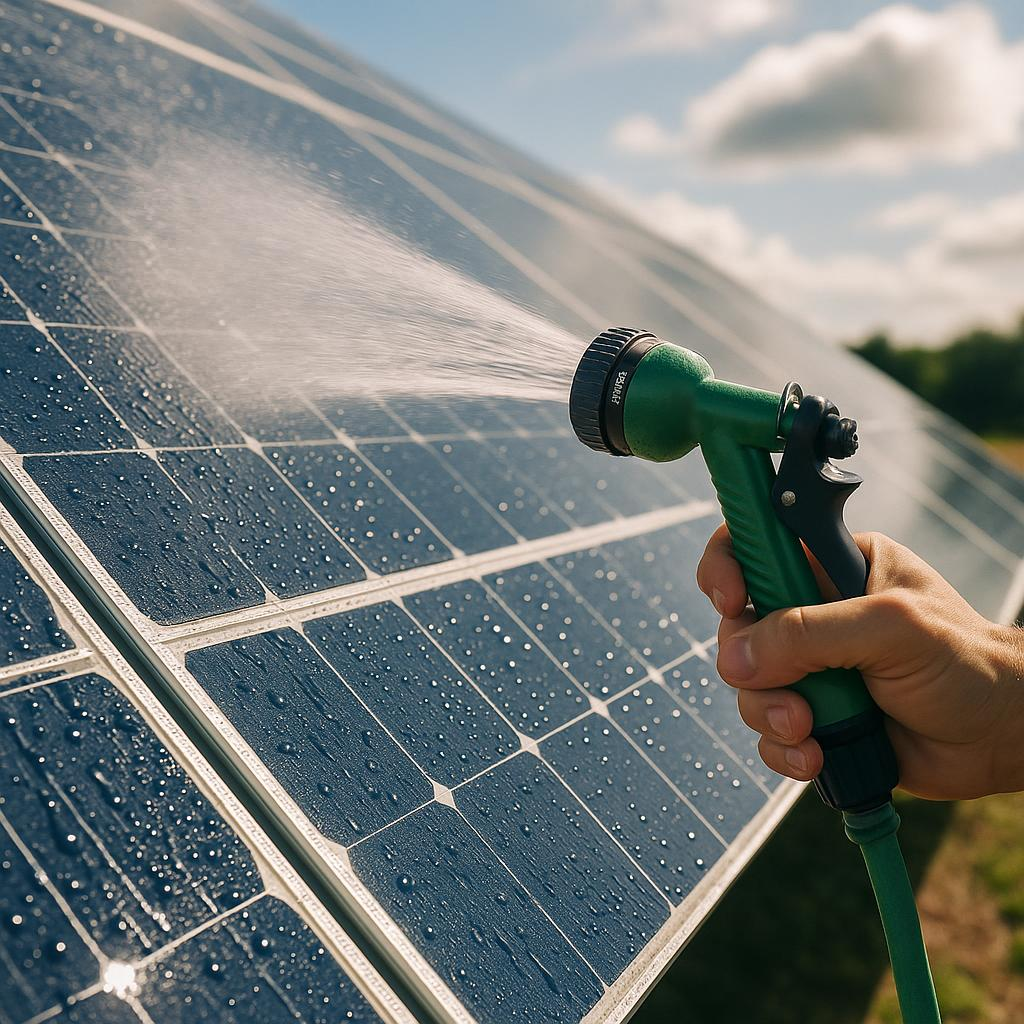
Maintaining solar panel efficiency is crucial for maximizing energy production, especially in regions prone to dirt accumulation and snow. Recent advances in solar panel coatings are revolutionizing how these panels resist environmental challenges, ensuring more consistent performance throughout the year. These cutting-edge coatings work by preventing buildup of dirt, dust, and snow, which can otherwise block sunlight and reduce energy output.
How Dirt and Snow Impact Solar Panel Efficiency
Solar panels rely on direct sunlight to generate energy effectively. When dirt and snow settle on their surfaces, they act as barriers, diminishing the amount of light that reaches the photovoltaic cells. Studies have shown that even a thin layer of dirt can reduce panel efficiency by up to 20%. Snow accumulation, depending on thickness and duration, can halt energy production entirely until it melts or is removed.
Common issues caused by buildup include:
- Reduced sunlight absorption due to shading
- Increased maintenance costs for manual cleaning
- Potential long-term damage from moisture retention
Superhydrophobic Coatings: Repelling Water and Snow
One of the most promising advancements involves superhydrophobic coatings, which create extremely water-repellent surfaces. These coatings cause water droplets to bead up and roll off, carrying dirt particles with them. When snow lands on these treated panels, it tends to slide off more easily instead of sticking and accumulating.
Key features of superhydrophobic coatings include:
- Micro- and nano-scale surface textures that minimize adhesion
- Durability to withstand outdoor weather conditions
- Transparency ensuring no loss of light transmission
Oleophobic Layers: Fighting Oil and Dust Contamination
Oleophobic coatings complement hydrophobic properties by repelling oils and other organic contaminants that can attract dust and grime. This layer prevents sticky substances from binding to the panel surface, reducing dirt accumulation over time. These coatings are engineered to maintain clarity and do not interfere with the panel’s energy conversion efficiency.
Benefits of oleophobic coatings include:
- Lower frequency of cleaning required
- Enhanced resistance to pollution and airborne particles
- Improved panel lifespan through surface protection
Self-Cleaning Photocatalytic Coatings
Photocatalytic coatings use sunlight to break down organic dirt on the panel’s surface. When exposed to ultraviolet (UV) light, these coatings trigger chemical reactions that decompose grime. Combined with hydrophilic properties, the panel surface becomes easier to rinse clean with rainwater, reducing manual maintenance.
These coatings offer several advantages:
- Continuous cleaning action activated by sunlight
- Reduction in water usage for cleaning
- Eco-friendly approach with no harmful chemicals required
Durability and Environmental Resistance of Advanced Coatings
For solar panel coatings to be effective, they must endure harsh outdoor environments, including UV exposure, temperature swings, and mechanical abrasion. Modern coatings are formulated with robust materials that maintain their protective and anti-soiling properties over many years. This durability ensures consistent energy output and lower lifetime maintenance costs.
Testing and certification processes for these coatings often evaluate:
- Resistance to UV degradation and fading
- Adhesion strength under thermal cycling
- Performance after exposure to pollutants and acid rain
Practical Tips for Maximizing Benefits from Solar Panel Coatings
Homeowners and installers can take specific steps to optimize the advantages of these advanced coatings. Selecting coatings certified for your climate and panel type is essential. Regularly inspecting panels can help identify areas where coatings may wear down, allowing for timely reapplication. Additionally, combining coated panels with proper installation angles promotes natural cleaning by rain and wind.
Actionable recommendations include:
- Consulting manufacturers about coating compatibility with your panels
- Scheduling routine inspections especially after severe weather
- Considering professional cleaning services that use gentle techniques to protect coatings
Future Outlook: Emerging Technologies in Solar Panel Surface Protection
Research continues to push the boundaries of solar panel coatings, exploring multifunctional layers that combine anti-soiling, anti-reflective, and anti-corrosion properties. Innovations such as graphene-enhanced coatings promise even greater durability and efficiency. Nanotechnology is also enabling self-healing surfaces that automatically repair minor scratches and damages, preserving panel performance.
These emerging trends indicate a bright future for solar energy systems with minimal upkeep and maximal output, supporting wider adoption of renewable energy worldwide.