
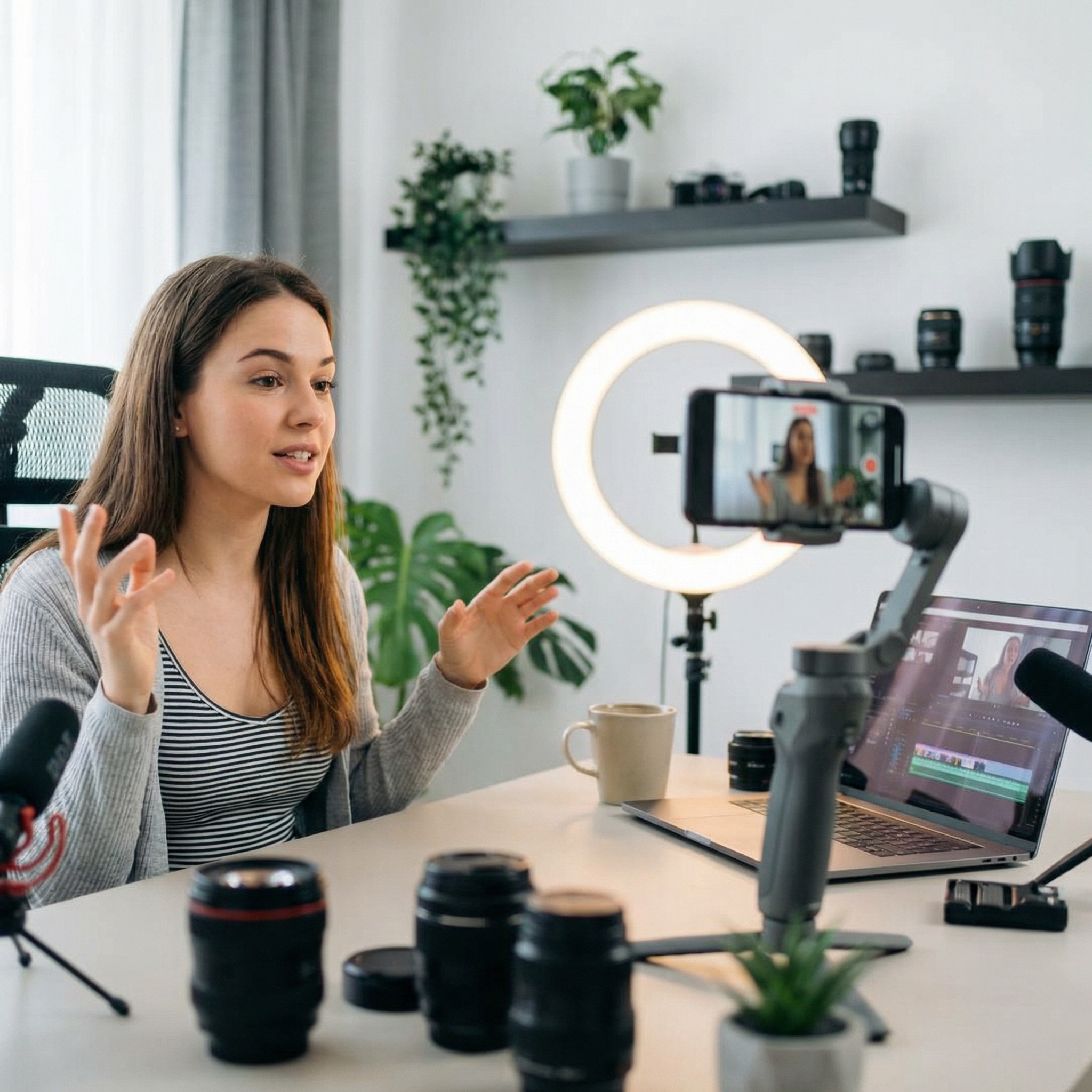
Understanding the Unique Appeal of Short-Form Videos
Short-form videos have become a dominant force in social media, captivating audiences through quick, engaging content. Platforms like TikTok, Instagram Reels, and YouTube Shorts each offer distinct features and user behaviors that creators must consider. Recognizing these differences is essential for crafting videos that resonate and perform well across channels.
Each platform encourages creativity within concise timeframes, demanding a sharp focus on storytelling and visual impact. Understanding the audience’s expectations and platform algorithms can improve content reach and engagement significantly.
Crafting Captivating Hooks in the First Seconds
The opening moments of a short-form video are critical to grab viewers’ attention. Since users scroll rapidly, your content must stand out instantly. Strong hooks can include surprising visuals, intriguing questions, or dynamic movement that sparks curiosity.
Examples of effective hooks include starting with an unexpected statement, showing a quick transformation, or posing a relatable problem. The goal is to make viewers want to stay and watch the entire clip, increasing watch time and boosting algorithmic favor.
Optimizing Video Length and Pacing
While these platforms allow up to 60 seconds, the sweet spot often lies between 15 and 30 seconds for maximum engagement. Shorter videos encourage repeat views and higher completion rates, both valuable for content performance.
Keep pacing brisk but balanced; too fast can overwhelm viewers, while too slow risks losing interest. Use quick cuts, snappy transitions, and rhythmic editing to maintain energy and flow throughout the video.
Leveraging Platform-Specific Features
Each platform offers unique creative tools that can enhance your content’s appeal. TikTok provides extensive audio libraries and effects, Instagram Reels integrates music overlays and interactive stickers, while YouTube Shorts supports captions and simple text animations.
Using these native features not only enriches the video but also signals platform compatibility, helping content reach wider audiences. Experimenting with trending sounds and effects tailored to each platform can increase discoverability.
Designing for Vertical Mobile Viewing
Short-form videos are primarily consumed on mobile devices, so vertical orientation is essential. Framing content to fit vertically ensures every visual element is clear and impactful without unnecessary cropping.
Focus on strong center-stage composition, bold visuals, and readable text overlays that enhance storytelling. Additionally, ensure lighting and colors are vibrant to stand out in the crowded feed environment.
Incorporating Clear Calls to Action
Engagement is a key metric for short-form videos. Incorporate clear calls to action (CTAs) to encourage likes, shares, comments, or follows. These CTAs should feel natural and relevant to the content, not forced or salesy.
Examples include inviting viewers to try a tip, answer a question in comments, or tag friends who relate to the video. Effective CTAs can significantly boost interaction and contribute to community building around your content.
Analyzing Performance and Iterating Content
Regularly reviewing video analytics is crucial to refining your short-form video strategy. Metrics such as watch time, engagement rate, and audience retention reveal what resonates and what doesn’t.
Use these insights to adjust your hooks, pacing, and creative elements. Testing different styles and themes while tracking results enables continuous improvement and sustained growth on TikTok, Instagram Reels, and YouTube Shorts.