
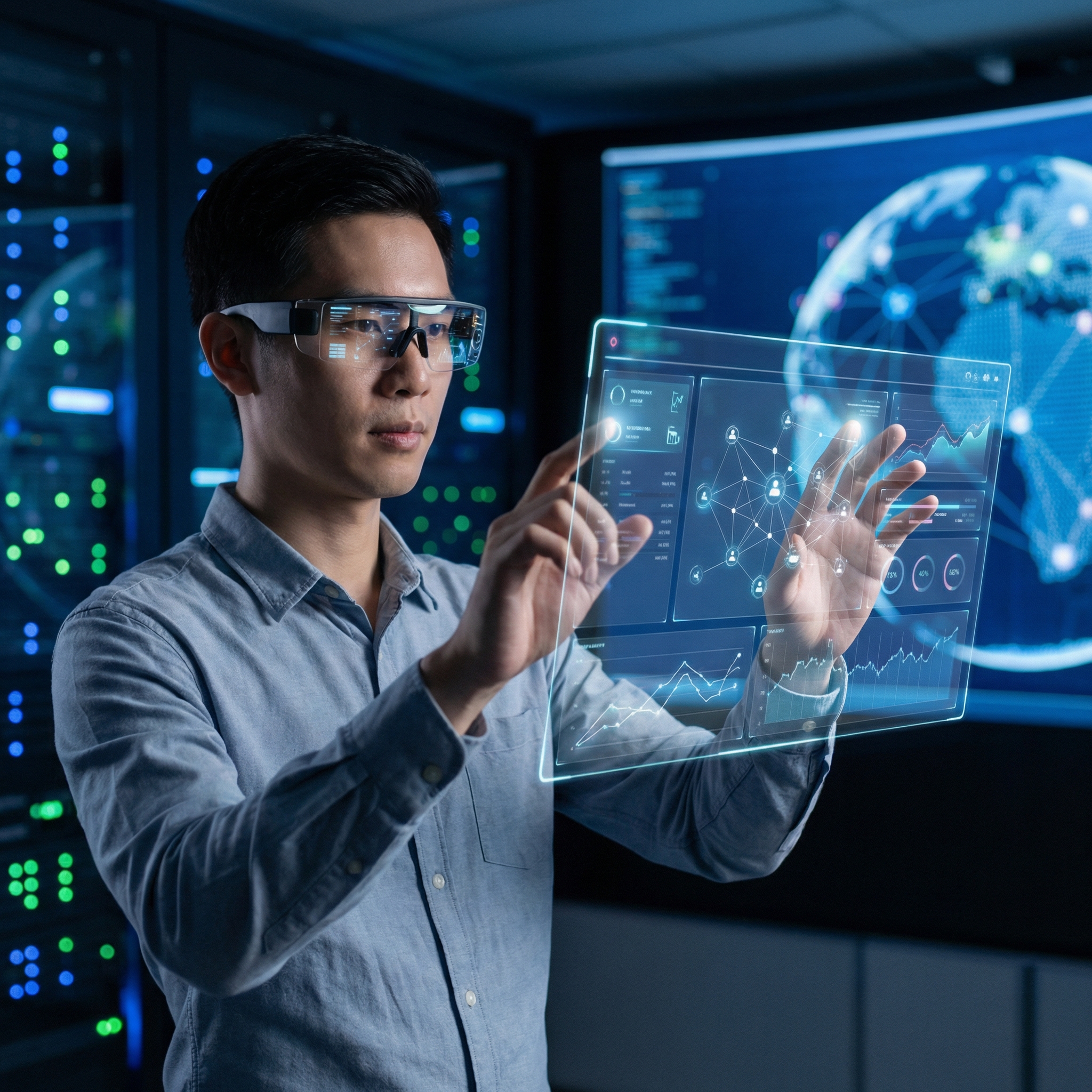
Embracing AI and Automation in Digital Marketing
The digital marketing landscape in 2026 is rapidly evolving with AI-driven technologies at the forefront. Agencies and brands are leveraging AI to optimize content, automate workflows, and enhance customer engagement like never before.
For example, Optimove has launched an AI Content Decisioning Agent that automates real-time content selection and optimization for marketers, allowing campaigns to dynamically adapt to audience preferences.
Similarly, companies like Darkroom are building AI-native operating systems that integrate marketing intelligence directly into their advertising strategies.
The Rise of Conversational Search and Generative AI Optimization (GEO)
Traditional SEO is shifting toward a dialogue-based approach known as Generative AI Optimization (GEO). This new paradigm focuses on creating authentic, authoritative content that engages users naturally within AI-driven conversational search environments.
Marketers are advised to:
- Create content that answers user questions in a natural, conversational tone.
- Focus on building trust and authority to rank well in AI overviews.
- Adapt strategies to evolving AI search algorithms to maintain visibility.
Expanding Marketing Stacks with Native Integrations
Platforms are enhancing their marketing capabilities by integrating native advertising tools. Webflow, for instance, has introduced a native Google Ads integration, positioning itself as a central hub for marketers to manage campaigns more efficiently.
This development simplifies ad management and helps marketers streamline their workflows by reducing the need to switch between multiple platforms.
Strategic Business Moves in Digital Marketing
Companies are making strategic expansions to strengthen their digital marketing presence. Farmmi, Inc. has established a wholly-owned U.S. subsidiary, Bluesage Marketing Inc, to focus on AI-driven digital marketing and cross-border customer acquisition. This move highlights the growing importance of AI and data in linking logistics and marketing operations.
Meanwhile, WILsquare Capital’s portfolio company OuterBox recently acquired GRO Marketing, enhancing its capabilities in paid media, SEO, and growth strategy for specialized sectors like multifamily housing and senior living communities.
Shifts in Hiring and Talent Development
Digital marketing hiring is maturing, with agencies dominating entry-level recruitment volumes. Reports show steady demand for early-career marketers who possess core skills and accountability.
Education programs are evolving to meet this demand. For example, IIM Mumbai has launched a certificate program covering digital marketing fundamentals, AI tools, social media, SEO, data analytics, and campaign management to prepare the next generation of marketers.
New Leadership and Roles in Digital Marketing
Industry leadership is also evolving. Beerajah Sswain has joined NeuGenM.AI as Chief Digital & Marketing Officer, bringing over two decades of experience in growth strategy and digital marketing. This reflects the increasing need for seasoned leaders to navigate the complexities of AI-driven marketing landscapes.
Emerging Trends and Market Growth
The digital marketing sector is on a trajectory to reach $1,189.5 billion by 2033, growing at an 11.22% CAGR. Key drivers include AI integration, expansion of social commerce, mobile ecosystems, and government digitalization initiatives.
Marketers should pay attention to:
- The expansion of social commerce and mobile-first strategies.
- Government policies around data sovereignty and privacy shaping marketing tactics.
- The growing importance of CTV and OTT advertising as new channels for consumer engagement.
Practical Tips for Marketers in 2026
- Leverage AI tools for content personalization, decision-making, and workflow automation.
- Adapt to conversational search by crafting authentic, user-focused content that fits AI-powered discovery.
- Invest in native integrations to streamline your marketing stack and improve efficiency.
- Stay updated on data privacy and regulatory changes to maintain compliance and trust.
- Develop skills and leadership to manage AI-driven marketing strategies effectively.
Conclusion
Digital marketing in 2026 is defined by AI-driven innovation, evolving search behaviors, and strategic business developments. Marketers who embrace these changes with agility, ethical practices, and a focus on authentic engagement are best positioned to thrive in this dynamic environment.