
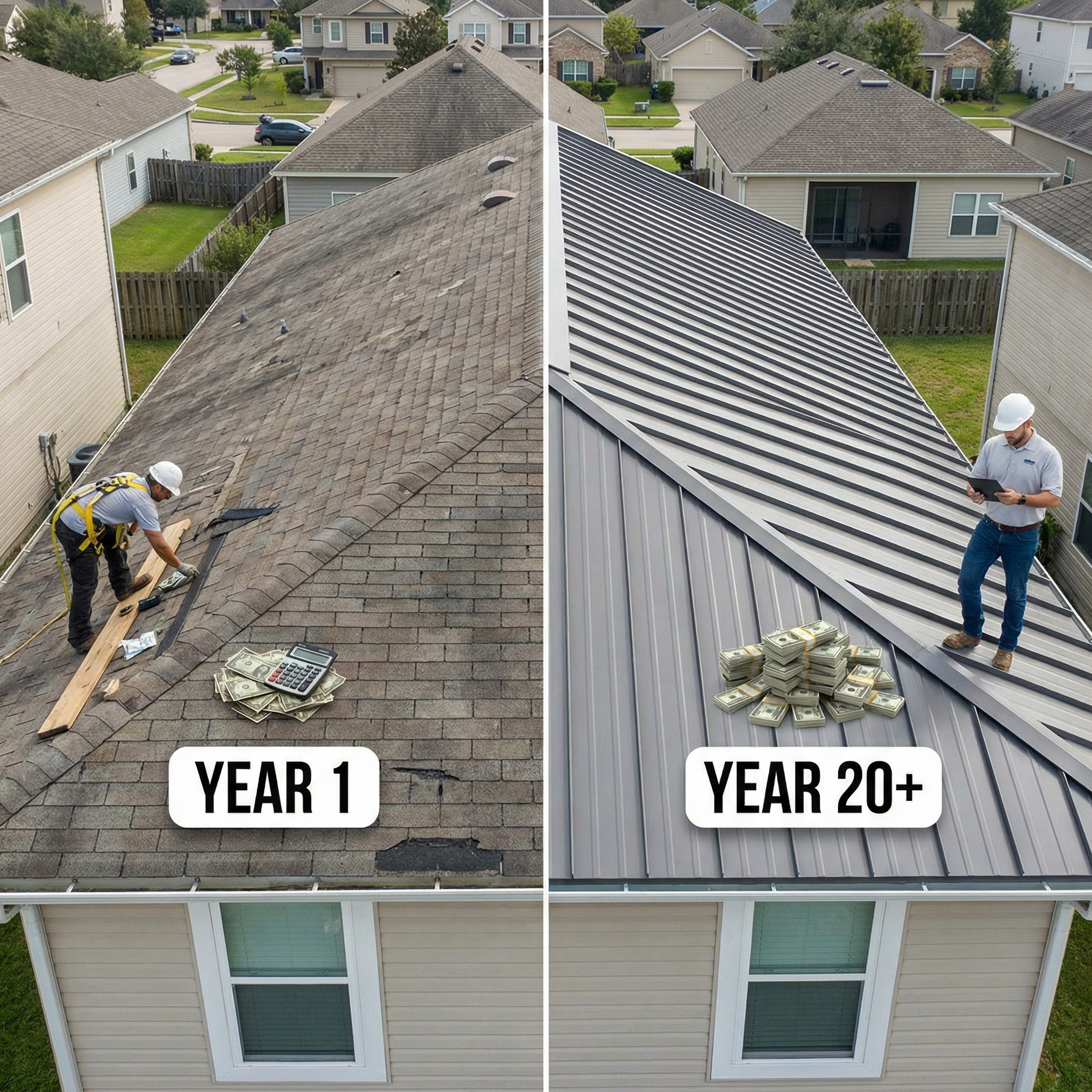
Understanding Roofing Costs: Upfront vs. Long-Term
Choosing the right roofing material involves more than just aesthetics. A key factor is understanding both the upfront investment and the long-term financial implications. While some materials may be affordable initially, their maintenance and replacement costs can add up over time. Conversely, higher initial expenses might translate to savings down the road.
Evaluating roofing options through this dual lens helps homeowners make informed decisions that balance budget constraints with durability and performance.
Asphalt Shingles: Affordable but Variable Longevity
Asphalt shingles are among the most common roofing materials due to their low upfront cost and ease of installation. Typically, asphalt shingles cost between $100 and $150 per square (100 square feet), making them attractive for budget-conscious projects.
However, their lifespan generally ranges from 15 to 30 years depending on quality and climate conditions. Maintenance costs can include periodic repairs due to weather damage or granule loss, and eventual replacement is often needed within three decades.
- Initial cost: Low ($100-$150/square)
- Average lifespan: 15-30 years
- Maintenance: Moderate, with occasional repairs
Metal Roofing: Higher Upfront, Lower Maintenance
Metal roofs usually require a larger upfront investment, often ranging from $300 to $700 per square. This cost reflects materials like steel, aluminum, or copper, which offer enhanced durability and energy efficiency.
One of the biggest benefits is the long lifespan—often 40 to 70 years—with minimal maintenance. Metal roofs resist cracking, shrinking, and eroding, which reduces repair expenses over time. Additionally, many metal roofs qualify for energy rebates due to their reflective properties.
- Initial cost: Moderate to high ($300-$700/square)
- Average lifespan: 40-70 years
- Maintenance: Low, with infrequent repairs
Clay and Concrete Tiles: Durable but Costly
Clay and concrete tiles command a higher upfront price, typically between $500 and $1,000 per square. Their weight requires a sturdy roof structure, which can add to installation costs.
Despite the initial expense, these tiles are extremely durable, often lasting over 50 years. They offer excellent resistance to fire and weather elements, reducing long-term maintenance needs. However, occasional tile replacement may be necessary due to breakage.
- Initial cost: High ($500-$1,000/square)
- Average lifespan: 50+ years
- Maintenance: Low to moderate, mainly tile replacement
Wood Shingles and Shakes: Natural Appeal with Moderate Costs
Wood shingles and shakes provide a natural look and moderate upfront costs, generally ranging from $400 to $700 per square. Installation demands skilled labor, which can influence price variations.
Lifespan typically falls between 20 and 40 years, but wood roofs require regular maintenance to prevent mold, rot, and insect damage. Treatments and inspections add to ongoing expenses.
- Initial cost: Moderate ($400-$700/square)
- Average lifespan: 20-40 years
- Maintenance: Moderate to high, with preventative treatments
Slate Roofing: Premium Investment for Longevity
Slate roofs are the pinnacle of roofing durability and aesthetics, with upfront costs often exceeding $1,000 per square. Their installation is labor-intensive and requires specialized expertise, contributing to the higher price point.
Slate can last over 75 years, sometimes even a century, with minimal maintenance. Its natural stone composition withstands extreme weather and fire, making it a long-term cost-effective choice despite the substantial initial investment.
- Initial cost: Very high (over $1,000/square)
- Average lifespan: 75+ years
- Maintenance: Minimal, mostly inspections
Composite and Synthetic Roofing: Balancing Cost and Durability
Composite and synthetic roofing materials, such as rubber and plastic blends, offer a mid-range upfront cost, usually between $300 and $600 per square. They mimic traditional materials like slate or wood but are lighter and easier to install.
These materials typically last 30 to 50 years and are designed to resist common roofing issues like cracking and fading. Maintenance costs are generally low, making them a practical balance between affordability and longevity.
- Initial cost: Moderate ($300-$600/square)
- Average lifespan: 30-50 years
- Maintenance: Low, with occasional cleaning
Key Takeaways for Budget Planning
When comparing roofing materials, consider these practical tips to balance upfront and long-term costs effectively:
- Assess your budget: Determine what you can invest initially without compromising quality.
- Factor in lifespan: Longer-lasting roofs may justify higher upfront costs through reduced replacements.
- Evaluate maintenance needs: Some materials require frequent upkeep, impacting total cost of ownership.
- Consider local climate: Durability against weather conditions can affect repair frequency.
- Plan for installation complexity: Some materials need specialized labor, increasing upfront expenses.
By weighing these factors alongside aesthetic preferences, homeowners can choose roofing materials that deliver the best value over time.