
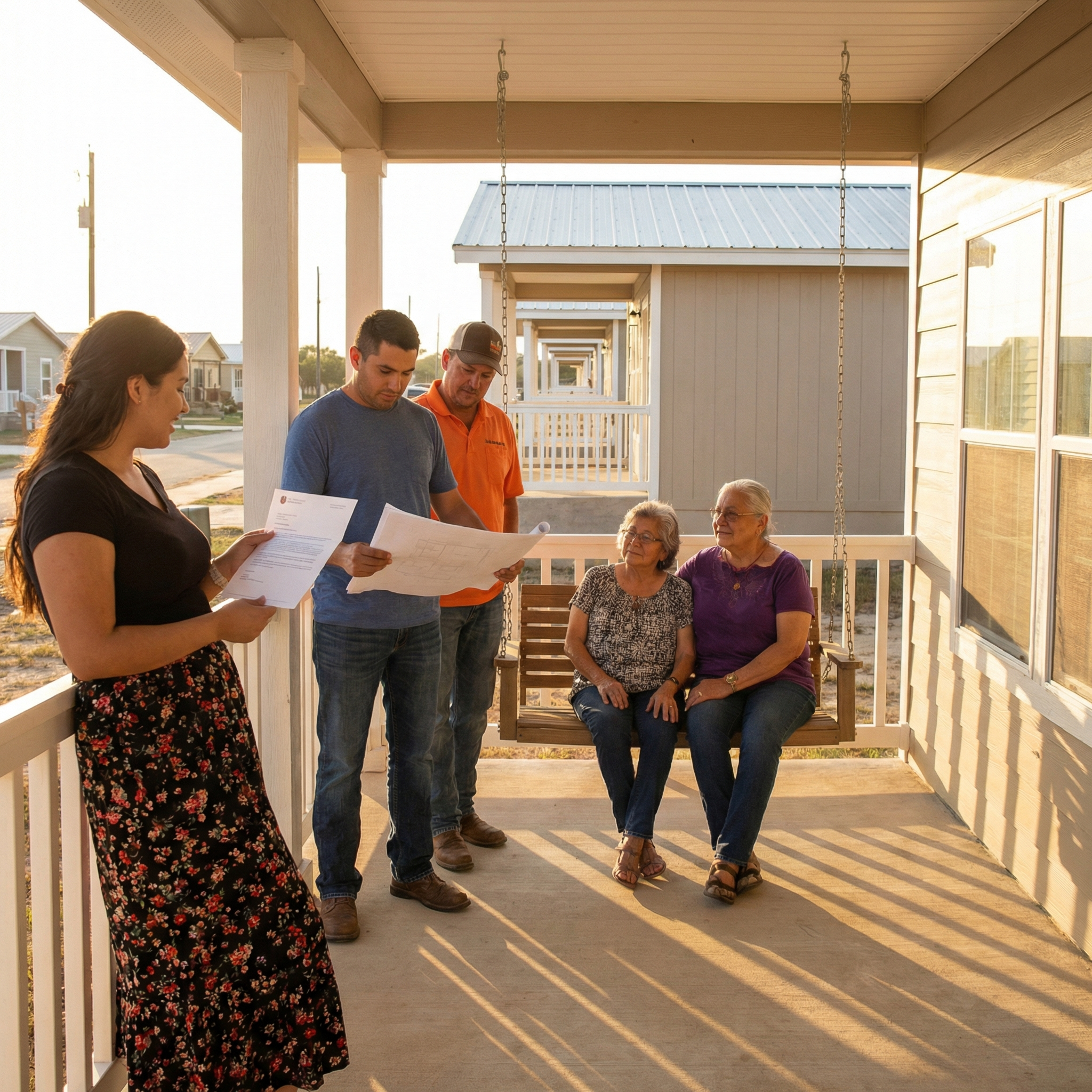
Understanding the Link Between Basic Needs and Financial Stability
Financial security is more than just managing money or increasing income; it rests firmly on the foundation of accessible and affordable essentials. Affordable housing, education, and healthcare are critical pillars that support individuals and families in achieving long-term economic well-being. When these necessities are out of reach, the risk of financial instability grows significantly, leading to cycles of debt, stress, and limited opportunity.
Recognizing these pillars as interconnected is essential. Each element influences the others, creating a holistic ecosystem that either empowers or hinders financial progress. A community that prioritizes these areas can foster resilience and sustainable prosperity.
The Role of Affordable Housing in Economic Stability
Housing costs often represent the largest monthly expense for most households. When housing is affordable, families have more disposable income to invest in savings, education, and healthcare. Conversely, high housing costs can force difficult trade-offs, such as skipping medical visits or foregoing educational opportunities.
Investing in affordable housing initiatives can reduce homelessness and overcrowding, improve mental and physical health, and increase job stability. Simple measures like rent subsidies, zoning reforms, and community land trusts can make a significant difference.
- Stabilizes monthly expenses for families
- Promotes community engagement and safety
- Encourages long-term financial planning
Education as a Catalyst for Economic Empowerment
Access to quality education equips individuals with skills, knowledge, and opportunities essential for upward mobility. Affordable education reduces barriers for marginalized groups and fosters a more inclusive workforce. It also enables informed financial decisions and better employment prospects.
Supporting affordable education programs—including scholarships, community colleges, and vocational training—helps close the income gap and break cycles of poverty. Education also nurtures critical thinking and adaptability, key traits in an evolving economy.
- Enhances employability and earning potential
- Encourages lifelong learning and skill development
- Strengthens community and economic growth
Healthcare’s Impact on Financial Resilience
Unexpected medical expenses are a leading cause of financial hardship. Affordable healthcare ensures timely treatment, preventing minor health issues from becoming costly emergencies. It also supports productivity by reducing absenteeism and improving overall well-being.
Access to preventive care, mental health services, and chronic disease management allows individuals to maintain health without sacrificing financial stability. Community health programs and insurance reforms play vital roles in making healthcare accessible to all.
- Prevents costly medical emergencies
- Reduces financial stress related to health crises
- Supports sustained employment and income
Interconnected Benefits of Supporting These Pillars
When affordable housing, education, and healthcare are available and accessible, the combined effect creates a robust safety net. Families can focus on growth rather than survival, communities become stronger, and economies benefit from a healthier, more educated workforce.
For example, a student with access to affordable housing and healthcare is more likely to complete their education and secure a stable job. Such interconnected support systems foster resilience and reduce dependence on emergency assistance.
- Improves quality of life and social mobility
- Encourages economic self-sufficiency
- Strengthens community cohesion and trust
Practical Steps to Advocate for These Essentials
Advocacy begins with raising awareness about the importance of these pillars and their impact on financial security. Individuals can engage with local governments, support nonprofits, or participate in community planning initiatives.
Effective advocacy includes promoting policies that increase funding for affordable housing projects, expanding educational grants, and improving healthcare coverage. Collaboration among stakeholders—from policymakers to citizens—is key to creating lasting change.
- Join or support housing and education coalitions
- Engage in community forums and public hearings
- Share stories to highlight real-life impacts
Long-Term Vision for Sustainable Financial Security
Ensuring affordable access to housing, education, and healthcare is an investment in the future. These pillars help build a foundation where individuals can thrive, contribute economically, and adapt to changing circumstances.
By focusing on these areas, societies can reduce poverty rates, improve public health, and foster innovation. The result is a cycle of opportunity that benefits not only individuals but entire communities and generations to come.
- Creates pathways out of poverty
- Promotes equitable economic growth
- Builds resilient, vibrant communities