
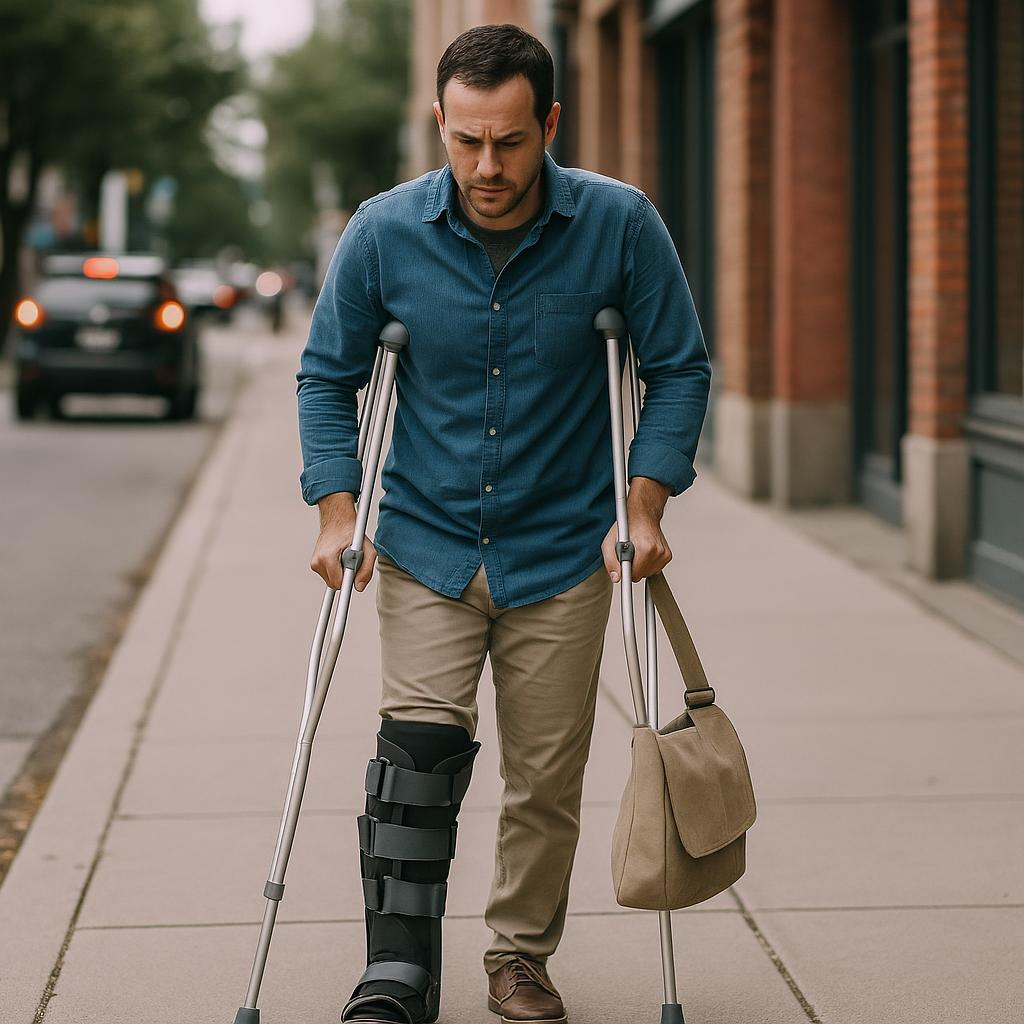
Adapting Your Living Space for Recovery
When recovering from a personal injury, modifying your home environment can greatly improve comfort and safety. Small changes might seem subtle but can have a substantial impact on your daily routine and overall well-being.
Consider practical adjustments such as rearranging furniture to create clear pathways, installing non-slip mats, or adding grab bars in key areas. These adaptations help prevent further injury and promote independence.
- Assess commonly used areas for potential hazards.
- Invest in simple assistive devices tailored to your mobility needs.
- Maintain an organized environment to reduce physical strain.
Establishing a Functional Daily Routine
Developing a structured daily schedule helps create a sense of normalcy and control during recovery. Prioritizing restorative activities and breaking tasks into manageable segments can alleviate fatigue and frustration.
Incorporate regular rest periods and gentle movement tailored to your current capabilities. Scheduling time for both productive and relaxing activities balances recovery needs with emotional wellness.
- Use planners or digital reminders to organize tasks.
- Set realistic goals with flexibility for fluctuations in energy.
- Include hydration and nutrition breaks within your routine.
Communicating Changed Needs with Family and Friends
Open and honest communication with your support network is essential. Sharing your needs and limitations can foster understanding, reduce misunderstandings, and invite appropriate assistance.
Clarify what types of help are most beneficial and when privacy or quiet time is necessary. This mutual understanding strengthens relationships and creates a supportive atmosphere.
- Discuss specific daily tasks where assistance is appreciated.
- Express emotional responses to encourage empathy.
- Update your support network as your recovery progresses.
Incorporating Mindful Movement Adaptations
Engaging in mindful, adaptive movement techniques helps maintain mobility without overexertion. Tailoring exercise to your current abilities encourages gradual physical progress and reduces risk of setbacks.
Simple activities such as seated stretches, gentle yoga, or guided breathing can promote circulation and mental calm. Seek professional advice to customize a safe movement plan.
- Start with low-impact, slow-paced exercises.
- Focus on breathing and body awareness during activity.
- Track progress and adjust intensity gradually over time.
Utilizing Nutritional Support for Enhanced Recovery
Nutrition plays a vital role in supporting recovery processes post-injury. Consuming nutrient-dense foods can aid in tissue repair and help maintain energy levels necessary for daily tasks.
Focus on balanced meals incorporating proteins, healthy fats, and antioxidants. Consulting with a dietitian can help create an individualized plan that complements your healing needs.
- Incorporate foods rich in vitamins C and E, zinc, and omega-3 fatty acids.
- Stay hydrated to assist metabolic functions.
- Limit processed foods and added sugars that may impede recovery.
Fostering Psychological Adaptation and Positive Outlook
Adjusting psychologically to the changes following a personal injury is an ongoing process. Cultivating coping strategies enhances resilience and emotional balance during recovery.
Engage in practices such as journaling, visualization, or connecting with mindfulness exercises that support emotional awareness. Recognize and celebrate small achievements as markers of progress.
- Set achievable mental and emotional goals through reflection.
- Practice gratitude to shift focus toward recovery milestones.
- Build a routine incorporating stress reduction techniques.