
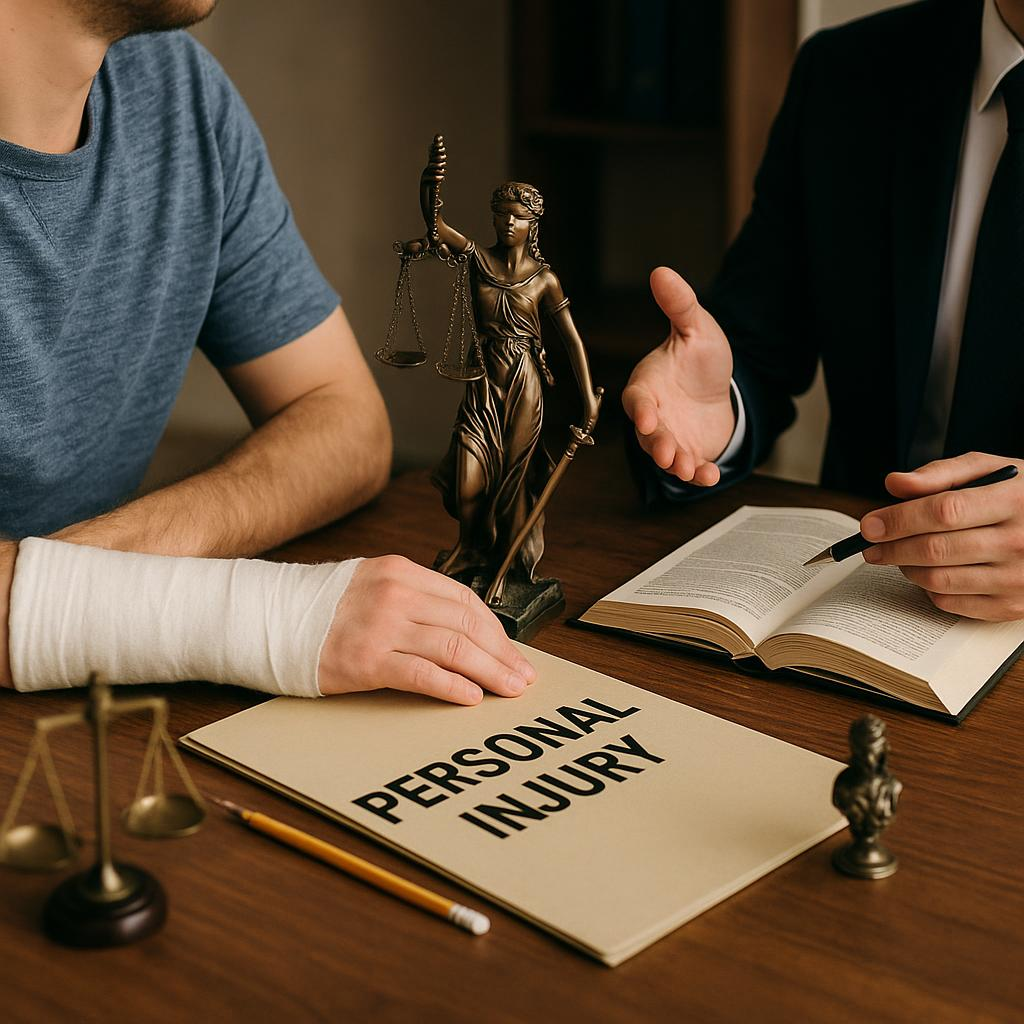
Understanding Personal Injury Law
Personal injury law covers legal disputes that arise when someone suffers harm from an accident or injury caused by another party’s negligence or intentional act. These cases ensure victims can seek compensation for their losses, including medical bills, lost wages, and pain and suffering.
Knowing the basics helps individuals recognize when they have a valid claim and understand the legal process ahead. Awareness is the first step to protecting your rights effectively.
Common Types of Personal Injury Cases
Personal injury encompasses a wide range of incidents. Some of the most frequently encountered types include:
- Automobile accidents involving cars, motorcycles, or pedestrians.
- Slip and fall accidents on private or public property due to unsafe conditions.
- Medical malpractice resulting from negligence by healthcare providers.
Each case type has distinct rules and evidence requirements, making tailored legal advice critical for success.
Steps to Take Immediately After an Injury
Taking prompt, well-informed actions following an injury can significantly impact the eventual outcome. Key initial steps include:
- Seek medical attention to document injuries and receive needed care.
- Report the incident to the appropriate authorities or property owners.
- Collect evidence such as photos, eyewitness contacts, and written statements.
These actions help build a strong foundation for any claim you may pursue.
How to Choose the Right Personal Injury Attorney
Finding the right attorney can make the legal process smoother and more successful. Consider these factors when selecting counsel:
- Experience handling cases similar to yours with proven positive results.
- Clear communication skills and availability to discuss your concerns.
- Transparent fee structures, often working on a contingency basis to reduce upfront costs.
Meeting potential lawyers personally or through consultations will help you gauge their fit and professionalism.
Understanding Settlement vs. Trial
Many personal injury cases resolve through settlements before reaching trial. Settlements offer quicker, often less stressful resolutions but require careful evaluation to ensure fairness.
Trials may be necessary if parties cannot agree or the offered settlement doesn’t adequately compensate for damages. Knowing your options and the pros and cons of each path helps set realistic expectations.
Common Challenges in Personal Injury Claims
Personal injury claims can face several hurdles, including proving negligence, disputing the extent of injuries, and navigating insurance company tactics. Being prepared means:
- Gathering comprehensive medical documentation and expert opinions.
- Keeping detailed records of all accident-related expenses.
- Understanding your legal rights and timelines, such as statute of limitations.
Staying organized and informed empowers victims to overcome obstacles effectively.
Protecting Yourself Against Future Injuries
While accidents are sometimes unavoidable, taking precautions can reduce risk. Strategies include:
- Maintaining awareness when driving or walking in busy areas.
- Ensuring property owners fix hazards promptly and report unsafe conditions.
- Following safety protocols in workplaces and recreational activities.
Proactive safety contributes to fewer incidents and stronger cases if injuries do occur.