
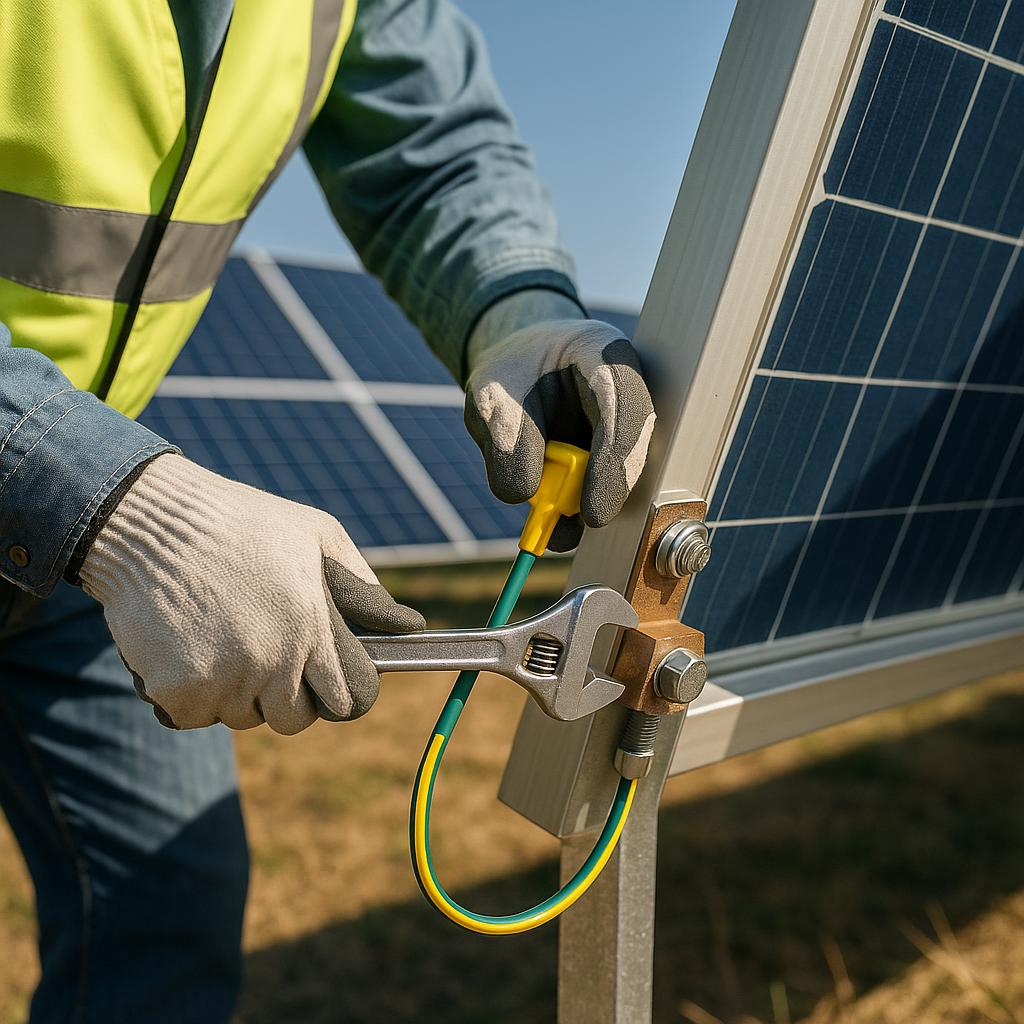
Understanding the Role of Grounding in Solar Panel Systems
Proper grounding is a fundamental safety practice that protects solar panel systems, homeowners, and installers from electrical hazards. It involves creating a low-resistance path to the earth to safely direct stray electricity, preventing damage and dangerous shocks. Whether during installation or system operation, grounding ensures stability and safety in adverse conditions like lightning strikes or system faults.
Without effective grounding, solar panels can present risks such as electrical fires or severe damage to components. Homeowners often underestimate this safety layer, but installers must emphasize its critical role and proper implementation.
Key Components of Solar Panel Grounding
The grounding system typically includes grounding rods, wires, and connectors that bond all metallic parts of the solar array into one grounded circuit. This unification helps manage electrical surges and leakage currents. Each component must meet specific standards to maintain system integrity.
For instance, grounding conductors must be rated for the electrical load and environmental conditions. Connectors should provide strong, corrosion-resistant bonds. These details contribute to the long-term durability and safety of solar installations.
- Grounding rods must penetrate deep enough into the earth for effective dispersal.
- Conductors should be sized according to regulations and expected currents.
- Connections need to avoid gaps or corrosion over time.
The Importance of Adhering to Electrical Codes
Strict compliance with national and local electrical codes, like the National Electrical Code (NEC) in the U.S., safeguards homeowners and installers by setting clear grounding and bonding standards. These codes address specific requirements for conductor sizes, connection techniques, and equipment grounding.
Ignoring or improperly following these codes can lead to system failures or voided warranties. For installers, staying updated on evolving requirements is crucial, and for homeowners, understanding that compliance equates to safety provides peace of mind.
- Code compliance reduces the risk of electrical fires and shock hazards.
- Proper grounding helps in passing inspection smoothly.
- Codes evolve to address new technologies and safety findings.
Safety Measures for Homeowners During Installation and Maintenance
Homeowners must actively participate in safety by choosing certified professionals and ensuring a thorough inspection of grounding systems before, during, and after installation. If maintaining or cleaning panels themselves, awareness of potential electrical hazards is critical.
A simple precaution includes shutting off the system and verifying the power status before any physical contact with wiring or panel surfaces. Clear communication with installers about grounding practices further enhances safety at home.
- Always hire trained and certified solar installers.
- Request documentation of grounding compliance.
- Understand basic shutoff procedures for emergencies.
Installer Best Practices to Ensure Optimal Grounding
Installers bear the responsibility of executing grounding systems with precision. This includes assessing soil conditions to select appropriate grounding methods and avoiding shortcuts that can compromise safety. They also need to ensure all metal racks, frames, and wiring are effectively bonded.
Periodic testing after installation ensures grounding components continue functioning properly. Using specialized equipment to measure earth resistance and verify continuity helps detect weak spots or failures before they pose risks.
- Evaluate site conditions to optimize grounding effectiveness.
- Use high-quality materials designed for longevity outdoors.
- Document and test grounding after setup for compliance and performance.
Common Grounding Issues and How to Avoid Them
Typical problems involve loose connections, corrosion of grounding points, improper conductor sizing, and neglecting bonding between system parts. Such issues can cause intermittent faults or hazardous voltages.
To prevent these, installers should follow standardized procedures, use corrosion-resistant components, and educate homeowners on signs of grounding degradation. Regular visual inspections should be part of routine maintenance.
- Check connectors regularly to ensure secure attachment.
- Avoid mixing dissimilar metals without appropriate bonding techniques.
- Replace damaged grounding parts promptly.
Benefits of Proper Grounding Beyond Safety
Proper grounding not only enhances safety but also improves the overall performance and lifespan of solar panel systems. It minimizes electrical interference, which can affect inverter operation and energy output. Grounding also supports surge protection devices, reducing equipment damage during storms.
For homeowners, this translates to reliable energy production, lower repair costs, and increased system value. Installers who prioritize grounding add a layer of professionalism and trust that can distinguish their service in the market.
- Stabilizes voltage levels and reduces power fluctuations.
- Protects sensitive electronics and inverters from surges.
- Contributes to longer equipment service life and warranty compliance.