
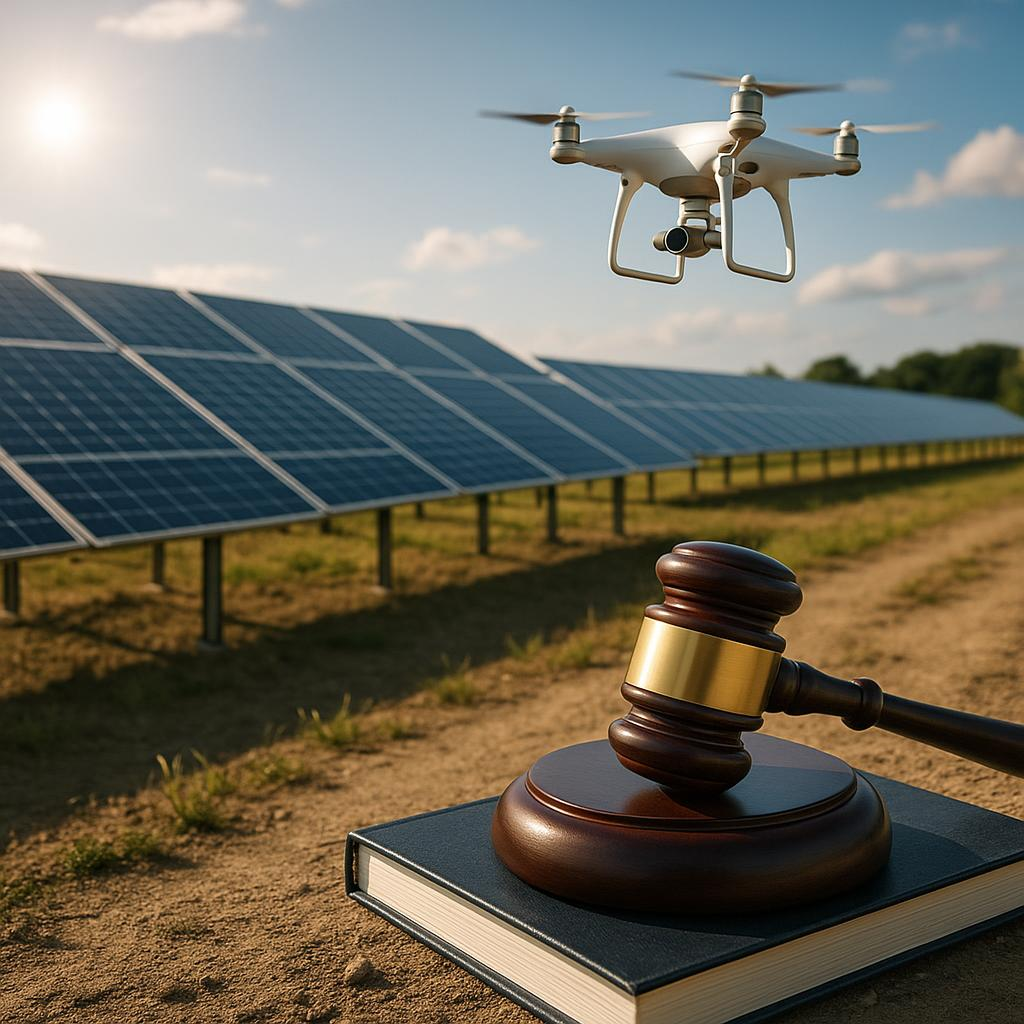
Expanding Solar Energy Across Borders
Despite ongoing challenges, the solar energy sector continues to show promising growth and innovation. Waaree Energies, India’s top solar module manufacturer, is eager to increase its presence in the United States. This expansion will occur even amidst a trade investigation, highlighting the company’s commitment to tapping into the world’s largest economy.
Legal Challenges Surrounding Federal Solar Funding
A significant controversy has emerged around the cancellation of a $7 billion federal solar grant program. Originally designed to make solar energy more accessible, especially to low-income and rural communities, the program’s abrupt termination has sparked a wave of lawsuits from various states and organizations.
Key details about the legal actions include:
- More than 20 states, along with the District of Columbia, have filed lawsuits against the Environmental Protection Agency (EPA) and the Trump administration for canceling the “Solar for All” program.
- The program was intended to provide solar panel installations, battery storage systems, and rebates for multi-family buildings, targeting over 900,000 low-income households nationwide.
- States involved in the legal battles include California, North Carolina, Oregon, Washington, Vermont, Colorado, and Arizona, among others.
- Many state attorneys general argue the cancellation was illegal and are seeking to reinstate funding and support for solar projects previously approved.
- Grant recipients have also filed lawsuits aiming to recover funds lost due to the termination.
The lawsuits emphasize the program’s goals of lowering energy bills, creating jobs, and promoting environmental benefits, especially for economically struggling families.
Local Governments and Communities Take Action
In response to the federal setback, several local governments and nonprofit groups are rallying to expand access to solar energy.
- River Forest officials approved a contract to install solar panels on the public works garage, aiming for net-zero energy use.
- Hampton Roads nonprofits are organizing a “Solar Schools” event to encourage and support solar energy adoption in public schools.
- Madison County Board approved a solar facility with strategic planning to address local concerns and setbacks.
- States such as North Carolina and Kentucky are actively suing to protect and reclaim solar program funding, with efforts to benefit rural and low-income households.
Innovations and Developments in Solar Technology
As the legal and policy landscape shifts, technological advancements continue to push solar energy forward.
- Beyond Gravity, a European parts manufacturer, is boosting production of its solar array technology, indicating rising demand for innovative solar components.
- The world’s largest industrial heat battery, powered by solar energy, has been launched in California by Rondo Energy, enabling 24/7 steam and heat from renewables.
- A new supersized floating solar system from Ciel & Terre is designed to reduce installation and maintenance costs for large-scale solar arrays, utilizing catamaran platforms.
- California’s first canal-top solar system promises to provide clean power and water savings, potentially benefiting two million homes.
- Aptera Motors unveiled a solar electric vehicle capable of running on solar power alone for up to 40 miles daily, reflecting solar’s expansion beyond stationary uses.
Community and Environmental Perspectives
The cancellation of large solar projects has drawn mixed reactions:
- Nevada’s largest planned solar farm, Esmeralda Seven, was canceled by the Bureau of Land Management. While this disappointed some renewable energy advocates, certain conservationists welcomed the decision, highlighting the balance between environmental impacts and solar development.
- Conversely, many low-income communities and rural families are pushing for increased access to affordable solar solutions to reduce energy costs and promote sustainability.
Notable Incidents Affecting Solar Sites
In Kentucky, a plane crash occurred at a solar farm, causing power outages downtown and resulting in serious injuries. This incident underscores the complexities of integrating new energy infrastructure with existing community dynamics and safety considerations.
Looking Forward
The solar energy ecosystem is at a crossroads, balancing rapid technological progress, aggressive legal challenges, and community engagement initiatives. The expansion by manufacturers like Waaree Energies, the pushback from multiple state governments, and ongoing innovations suggest a resilient and evolving sector.
Stakeholders at all levels are focused on ensuring that solar energy remains accessible, affordable, and sustainable, while navigating the policy and regulatory terrain. The coming months will be crucial in determining the future trajectory of solar power, especially in terms of equitable energy access for all communities.