
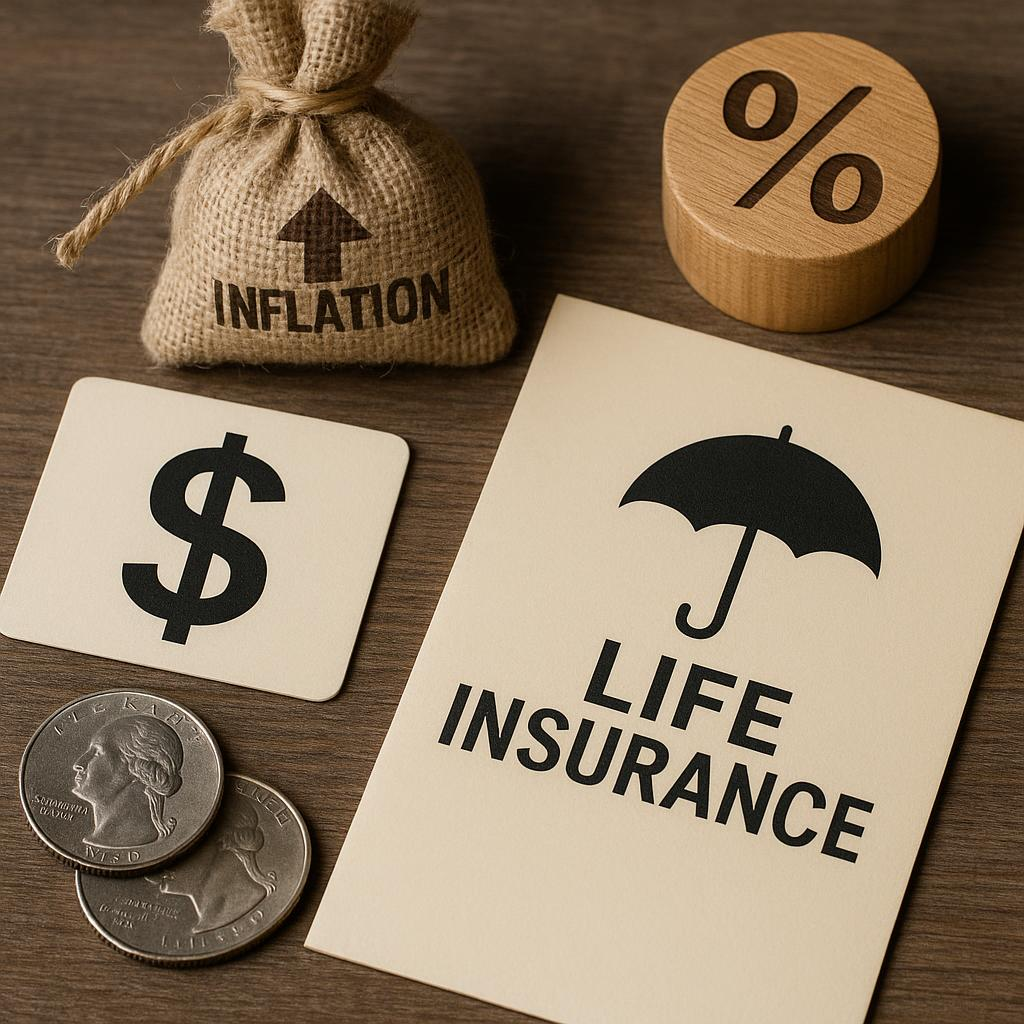
Understanding the Impact of Inflation on Life Insurance
Inflation gradually erodes the purchasing power of money over time, which is a critical consideration when buying life insurance. Policyholders need to ensure that the death benefit keeps pace with rising living costs to maintain its real value. Without accounting for inflation, the coverage amount might fall short of meeting beneficiaries’ future financial needs.
Many life insurance policies offer options to combat inflation’s effects, such as inflation riders or increasing death benefits periodically. These features help preserve the policy’s value and provide financial security despite economic changes.
- Inflation reduces the real value of fixed death benefits
- Inflation riders can adjust coverage amounts upward
- Planning ahead ensures adequate future financial protection
Interest Rates and Their Influence on Life Insurance Premiums
Interest rates significantly affect the cost structure of life insurance policies, especially permanent insurance types like whole or universal life. Insurers invest premiums in bonds and other fixed-income assets, so their ability to generate returns depends on current interest rates.
When interest rates rise, insurers can earn more on investments, potentially lowering premiums or improving cash value growth. Conversely, low interest rates might lead to higher premiums as insurers need to compensate for reduced investment income. Buyers should consider the interest rate environment when selecting policy types and terms.
- Higher interest rates can reduce premiums or boost cash value
- Lower interest rates often increase premiums or reduce returns
- Permanent policies are more sensitive to interest rate fluctuations
Market Trends and Their Role in Life Insurance Decisions
Broader market trends, including stock market performance and economic cycles, indirectly influence life insurance purchasing decisions. For example, during economic downturns, potential buyers might delay or reduce coverage due to financial uncertainty.
Additionally, market volatility can affect the appeal of investment-linked life insurance policies. Buyers seeking stable, predictable returns may prefer traditional policies over variable or indexed types during turbulent market periods.
- Economic conditions impact consumer confidence and purchasing power
- Market volatility affects investment-linked policy attractiveness
- Stable policies may gain preference in uncertain markets
Balancing Inflation and Interest Rate Considerations
Striking a balance between inflation protection and interest rate sensitivity is essential when choosing life insurance. Policies with inflation riders provide protection against rising costs, but may come with increased premiums.
Meanwhile, understanding how interest rates influence premium levels and cash value growth helps buyers select policies aligned with their long-term financial goals. Evaluating both factors together ensures well-rounded coverage that adapts to economic shifts.
- Consider inflation riders to maintain benefit value
- Match policy type to interest rate trends and personal goals
- Review policy features regularly to adjust for economic changes
Practical Tips for Navigating Economic Influences
When assessing how economic factors affect life insurance decisions, buyers can take several practical steps. First, review current inflation rates and economic forecasts to anticipate future changes.
Second, compare different policy types and riders to find options that offer both growth potential and stability. Lastly, consult with a financial advisor or insurance professional to tailor coverage that aligns with personal circumstances and market conditions.
- Stay informed on inflation and interest rate trends
- Evaluate policy riders and investment options carefully
- Seek professional advice for customized coverage strategies
Long-Term Planning in a Changing Economic Landscape
Life insurance is a long-term commitment that must endure shifting economic environments. Understanding how inflation, interest rates, and market trends interact empowers buyers to select policies that remain effective over decades.
Regularly revisiting insurance needs and adjusting coverage in response to economic developments helps maintain financial security for loved ones. Proactive planning can mitigate the risks posed by inflation and interest rate fluctuations over time.
- Review insurance coverage periodically to ensure adequacy
- Adjust policies as economic conditions evolve
- Think long-term to safeguard beneficiary financial futures