
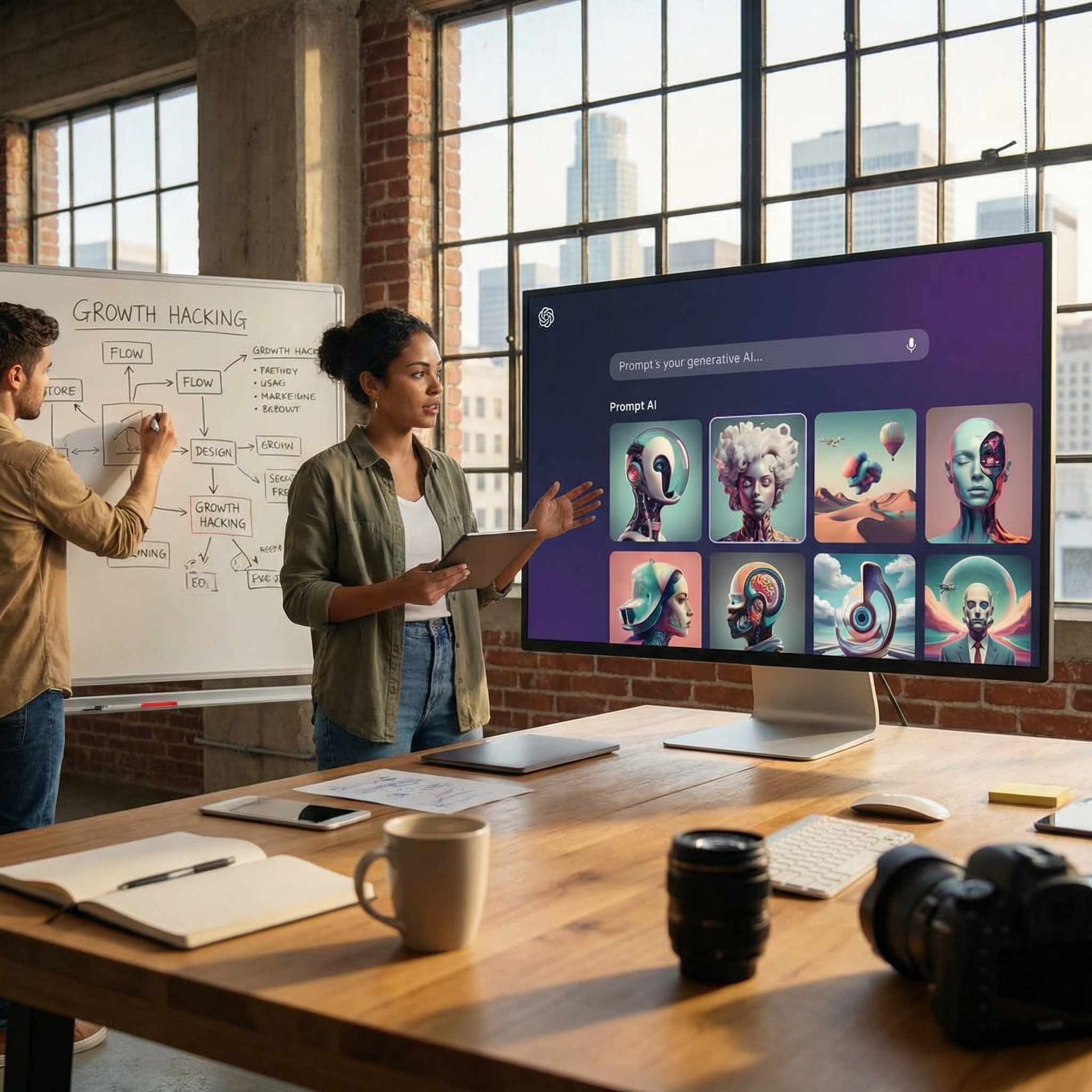
Unlocking Content Creativity for Marketers
Feeling like your marketing efforts have become repetitive or uninspired? It’s a common challenge for many businesses to maintain fresh and creative content consistently. One reason is the fear among team members of rejection or humiliation when suggesting innovative ideas. To overcome this, it helps to approach content creation using a structured framework that separates the ideation process into two distinct phases: divergent and convergent thinking.
Understanding Divergent and Convergent Thinking
Divergent thinking is all about generating a wide range of ideas without judgment or filtering. It encourages free-flowing creativity and open brainstorming where no idea is too wild or unconventional.
Convergent thinking, on the other hand, focuses on evaluating, refining, and selecting the best ideas from the pool generated during the divergent phase. This two-step approach promotes a safe space for innovation and ensures the final content is both creative and strategically sound.
Why Most Businesses Struggle
Many companies face challenges with creative content development because their teams either skip the divergent phase or mix it with convergent thinking. This leads to premature criticism, stifling innovative ideas before they can fully form.
Separating these phases helps teams explore new possibilities without fear and then carefully hone the best concepts into effective marketing content.
Leveraging AI Images for Business Success
Are you hesitant to use AI-generated images because you worry they lack true creativity or feel like “cheating”? AI image generation offers a practical and affordable way to produce high-quality brand visuals without needing an expensive photography budget.
By using AI tools thoughtfully, businesses can create professional images that align with their brand identity and marketing goals.
A Seven-Pillar Framework for AI Image Prompts
To get the most out of AI image generation, consider adopting a structured prompting approach. This includes clearly defining:
- Purpose: What is the image meant to convey or support?
- Style: What visual style fits your brand (e.g., modern, vintage, minimalist)?
- Subject: What or who is featured in the image?
- Setting: Where does the scene take place?
- Color Palette: What colors align with your brand guidelines?
- Emotion: What feeling should the image evoke?
- Details: Any specific elements or objects to include or avoid?
This structured prompt ensures the AI generates images that are not only visually appealing but also strategically aligned with your marketing message.
Streamlining Your Workflow
Integrate AI image creation into your content production process by:
- Planning image needs alongside content topics early on.
- Using the seven-pillar framework to craft precise prompts.
- Reviewing and selecting images that best fit your brand.
- Editing AI-generated images as needed to enhance quality and consistency.
- Incorporating images into your marketing assets swiftly to maintain campaign momentum.
Key Takeaways for Marketers
- Separate ideation into divergent and convergent thinking phases to foster a safe environment for creative idea generation and effective refinement.
- Encourage your team to share all ideas freely during the divergent phase without fear of criticism.
- Use structured frameworks like the seven-pillar prompt method to guide AI image creation and ensure brand alignment.
- Integrate AI-generated images strategically as part of your content workflow to save costs and maintain high visual standards.
- Review and refine AI outputs rather than relying solely on the first generated image.
By applying these proven frameworks, marketers can reinvigorate their content creativity and harness AI technology effectively, resulting in more engaging and visually compelling marketing campaigns.