
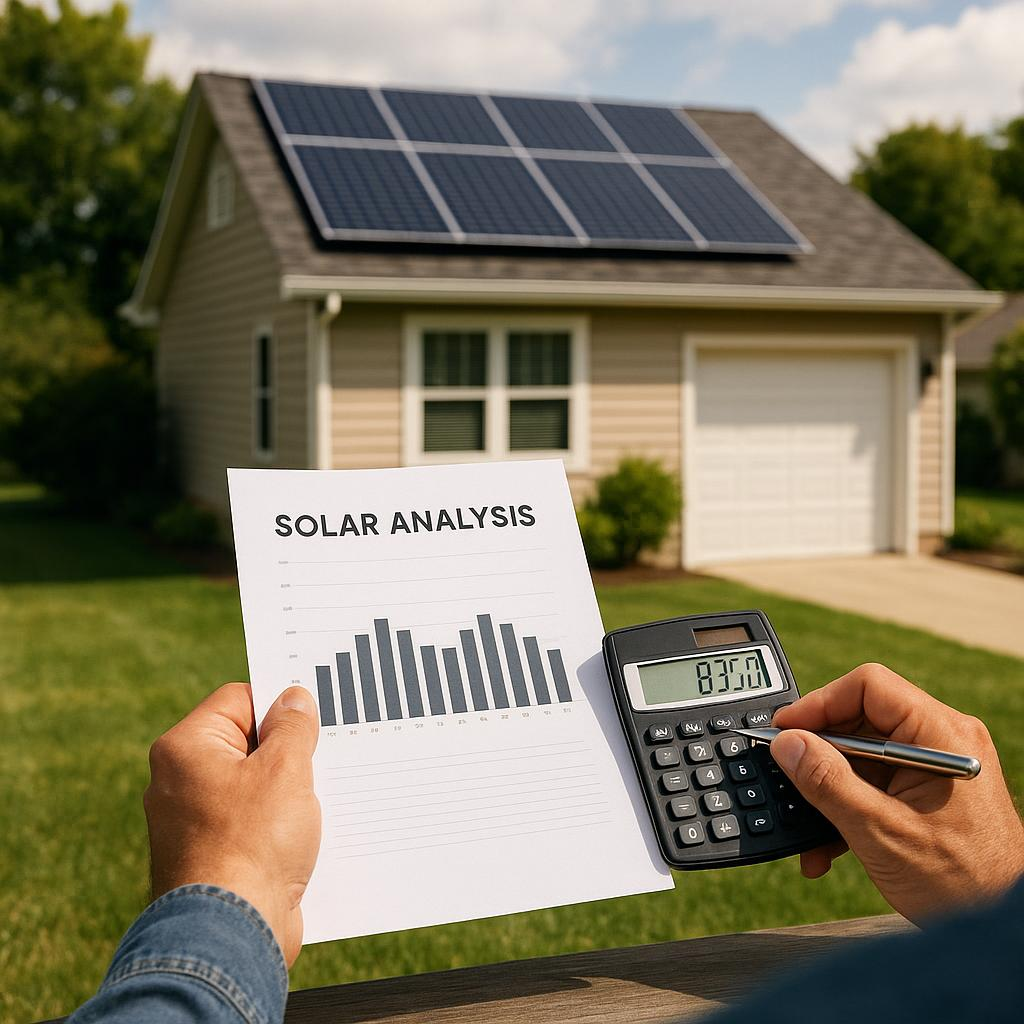
Understanding Solar Potential: The Basics
Assessing your property’s suitability for solar energy is the first step toward realizing cost savings and environmental benefits. Several factors influence how effectively solar panels can convert sunlight to electricity at your location. Knowing these key elements helps set realistic expectations for performance.
Solar potential depends heavily on sunlight availability, roof orientation, shading, and space. These criteria determine solar system size, efficiency, and ultimately the energy you can generate.
- Sunlight intensity and daily sun hours
- Roof angle and direction (preferably south-facing in the northern hemisphere)
- Obstructions such as trees, chimneys, and neighboring buildings
Measuring Sunlight Exposure on Your Property
Start by estimating the amount of direct sunlight your property receives. This can be done using sunlight maps available from local meteorological sources or solar estimation tools. Look for annual average sun hours per day to get a solid baseline.
For a more hands-on approach, observe sun paths across your roof throughout the day and during different seasons. Note areas that remain shaded for long periods, as shading reduces panel performance significantly.
- Use a solar pathfinder or shading analysis apps to visualize shading occurrences
- Consider seasonal variations—winter sunlight is lower and impacts energy generation
- Document obstacles and their shadows to evaluate shading impact
Determining Your Roof’s Suitability
Your roof plays a critical role in solar panel installation. Ideal solar roofs have ample, unobstructed space, face true south (in the northern hemisphere) or north (in the southern hemisphere), and have a tilt angle between 15 and 40 degrees. If your roof doesn’t fit these criteria exactly, solar installation might still be feasible with minor adjustments.
Inspect the roof’s structural condition and material. Certain surfaces like metal and tile can support panels better. Also, compute the available surface area to estimate the maximum number of modules you can install.
- Verify roof orientation with a compass or smartphone apps
- Measure available surface area, subtracting for vents and other obstacles
- Ensure roofing materials and structure can accommodate solar systems
Calculating Potential Energy Production
Once you understand sunlight availability and roof space, estimate how much electricity a solar array can generate. Multiply available peak sun hours by system size in kilowatts and panel efficiency to get an initial figure.
Consider system losses—due to inverter efficiency, wiring resistance, dust, and shading. Typical loss factors range from 14% to 20%, so factor this into your calculations to avoid overestimating output.
- Calculate usable peak sun hours from local solar data
- Estimate system size based on roof space and panel wattage (e.g., 300W per panel)
- Apply loss factors (inverter, shading, temperature) to refine energy output estimates
Estimating Financial Savings from Solar Energy
To assess monetary benefits, start with your current electricity consumption and rates. Calculate how much energy your solar system will offset, then multiply that by your utility’s per-kilowatt-hour charges.
Keep in mind that your savings depend on net metering policies, time-of-use rates, and any incentives or tax credits available locally. These factors can significantly affect your return on investment and payback period.
- Review past utility bills to determine average monthly energy use and costs
- Estimate portion of consumption offset by solar production
- Include utility tariffs and available solar incentives in calculations
Tools and Resources to Simplify Your Assessment
Several online calculators and smartphone apps can assist in assessing solar potential and savings. Many of these incorporate local weather patterns and pricing data to provide customized estimates. Utilizing these tools can streamline your planning and decision-making process.
Some popular methods involve entering your address and energy use, then receiving a solar viability report complete with estimated system size and payback period. Pair these tools with onsite evaluations for the most accurate results.
- Solar calculators for estimating system size and savings
- Mobile apps offering shading and roof orientation analysis
- Consultation with certified solar installers who can provide site-specific assessments
Planning for Installation and Maximizing Efficiency
With a solid understanding of solar potential and financial benefits, begin planning your installation. Selecting quality equipment, ensuring professional mounting, and optimizing system design contributes to long-term performance. Consider future maintenance needs like cleaning panels regularly for peak efficiency.
Also, keep these tips in mind to maximize your solar investment:
- Choose panels with high efficiency and durability ratings
- Position panels to minimize shading throughout the year
- Monitor system output periodically and maintain panels to prevent degradation
Taking these steps will help you accurately assess your property’s solar potential and harness the full benefits of renewable energy for your home.