
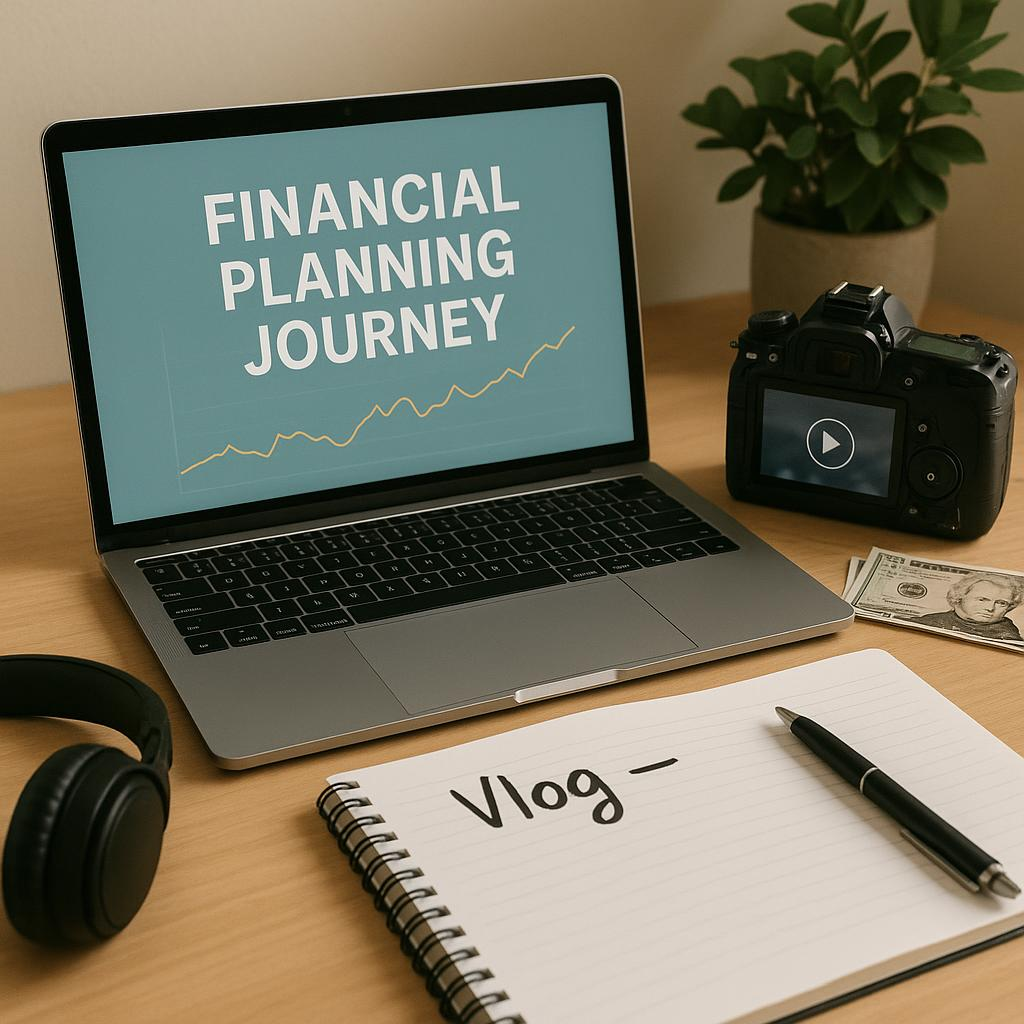
Why Documenting Your Financial Journey Matters
Sharing your financial planning experience can be empowering both for you and your audience. It creates accountability, builds community, and turns complex money topics into relatable stories. Whether you are just starting or have years of experience, documenting your journey helps demystify financial planning for others.
Using blogs, vlogs, and storytelling formats allows you to connect on a personal level. Instead of dry advice, you provide real-life examples that inspire and educate. This engagement can motivate consistent progress and foster meaningful discussions around money.
Choosing the Right Medium: Blog vs. Vlog
Blogs offer a written format ideal for in-depth explanations, charts, and step-by-step guides. They allow readers to absorb information at their own pace and revisit details easily. On the other hand, vlogs provide a dynamic, visual way to share your emotions, reactions, and even your screen when explaining tools or apps.
Consider your strengths and preferences when selecting a medium. Some creators combine both by embedding videos into blog posts, maximizing reach and engagement. Key points to consider include:
- Your comfort level with writing or speaking
- The type of content you want to share (detailed vs. conversational)
- The platforms where your audience spends time
Crafting Authentic Financial Stories
Storytelling is a powerful way to humanize financial concepts. Instead of just presenting numbers, share your feelings, challenges, and victories. For example, narrate the moment you realized the need for budgeting or the first investment you made. This approach builds trust and makes content memorable.
Effective stories include relatable conflicts and resolutions. You might describe tackling debt, navigating unexpected expenses, or setting long-term goals. Emphasize lessons learned and practical tips readers or viewers can apply to their own finances.
Structuring Your Content for Engagement
Organize your posts or videos with clear sections to maintain attention and provide clarity. Start with an introduction that outlines the topic and your personal connection. Follow with detailed insights or steps, and conclude with actionable advice or questions to encourage interaction.
Use subheadings, bullet points, and visuals to break up text or video segments. This makes content easier to digest and more inviting. For example, a blog post on budgeting might include:
- Why budgeting matters
- Tools and methods you tried
- Common pitfalls and how to avoid them
- Results and ongoing adjustments
Incorporating Visuals and Data Effectively
Visual elements can clarify complex financial information. Charts, graphs, and infographics help illustrate trends and comparisons that words alone may not convey fully. In vlogs, screen shares showing budgeting apps or investment platforms create transparency and build credibility.
Balance visuals with narrative to maintain emotional connection. For instance, pairing a pie chart of your monthly expenses with a story about cutting back on dining out makes the data more relatable. Always ensure visuals are clear, accurate, and support your main messages.
Building Consistency and Community
Consistency is key to developing an engaged audience. Set a realistic schedule for posting blogs or vlogs, whether weekly, biweekly, or monthly. Regular updates keep your journey fresh and signal commitment.
Encourage comments, questions, and sharing to foster community interaction. Responding thoughtfully to your audience creates a supportive environment where people feel comfortable discussing their financial challenges and triumphs. This interaction not only helps others but also enriches your own learning and motivation.
Measuring Impact and Adapting Your Approach
Track metrics like views, shares, comments, and subscriber growth to gauge how your content resonates. Reflect on which topics generate the most engagement and adjust your strategy accordingly. For example, if budgeting posts receive more feedback than investment deep-dives, consider focusing more on practical money management.
Solicit direct feedback through polls or surveys to understand your audience’s needs better. Stay flexible and open to evolving your storytelling style and formats based on what brings the most value to your community.
Key Takeaways for Documenting Your Financial Planning Journey
- Choose a content format that aligns with your strengths and audience preferences.
- Use authentic stories to humanize financial concepts and build trust.
- Structure content clearly with engaging visuals and actionable advice.
- Maintain a consistent posting schedule to grow and nurture your community.
- Measure impact and adapt your approach to maximize value and engagement.