
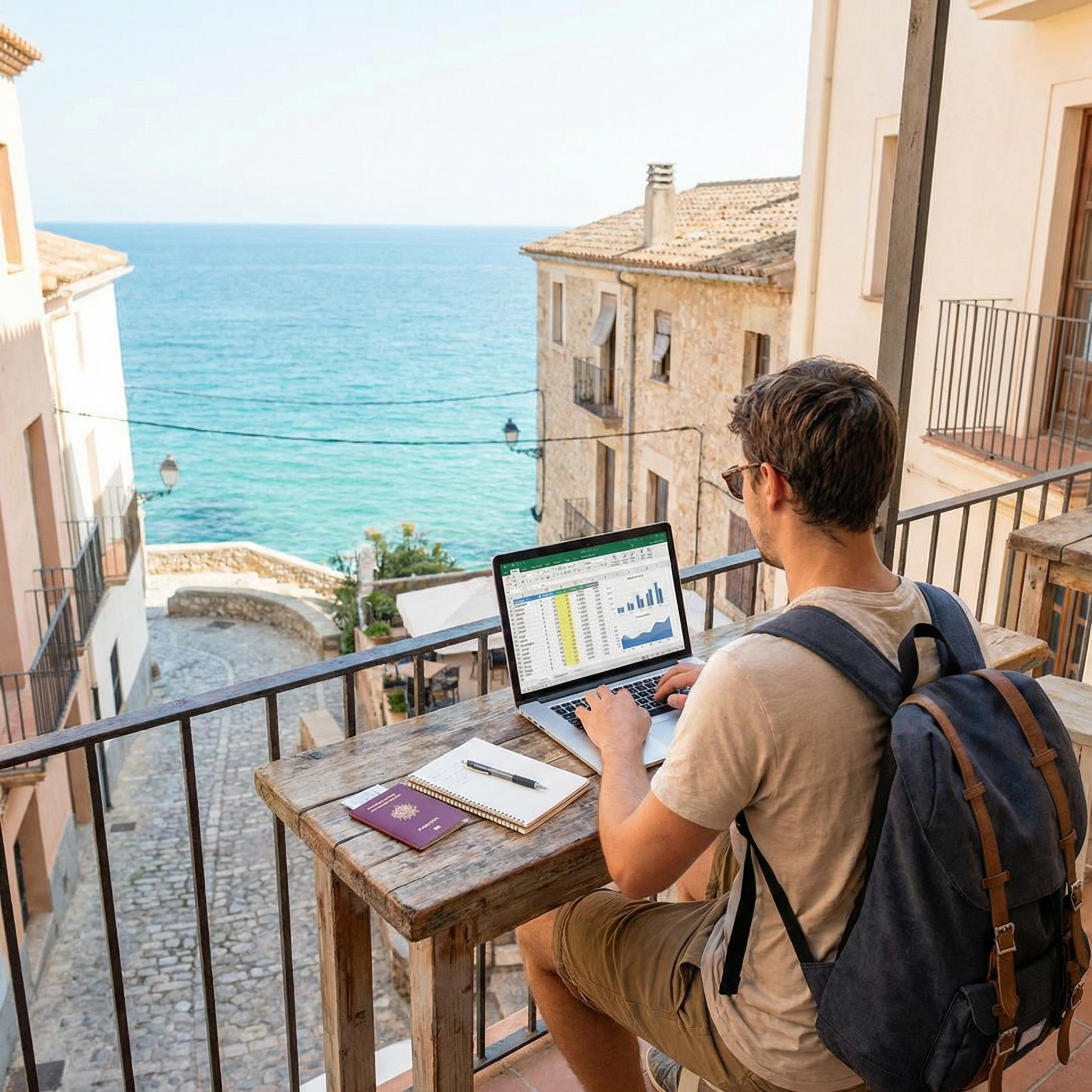
Understanding Income Stability and Budgeting
For digital nomads and remote workers, income streams often come with varying degrees of unpredictability. Freelancers and contract workers may face fluctuating pay schedules, while some remote employees receive consistent salaries but deal with currency exchange complexities. This variability necessitates a disciplined approach to budgeting that factors in irregular income and unforeseen expenses.
Establishing a comprehensive budget helps manage cash flow and ensures essential costs are covered no matter where work takes you. Consider creating separate categories for fixed expenses, variable costs, and savings goals to maintain financial health across diverse locations.
- Track income sources and payment schedules diligently
- Allocate funds for unstable or delayed payments
- Prioritize emergency savings to cover unexpected costs
Tax Obligations and Residency Considerations
Tax planning is a critical component for remote workers and nomads, as residency status and income source countries influence tax obligations. Depending on the duration of stay and local laws, individuals may be liable for taxes in multiple jurisdictions. Understanding treaties and reporting requirements can prevent costly penalties and double taxation.
Professional advice or specialized tax software tailored to nomads can provide clarity on filing deadlines, allowable deductions, and the impact of foreign earned income exclusions. Keeping organized records of travel dates, income, and expenses supports compliance and simplifies tax preparation.
- Research tax residency rules for each country visited
- Maintain detailed documentation of income and travel history
- Consult tax experts familiar with international remote work scenarios
Health Insurance and Emergency Funds
Access to reliable health insurance is crucial for digital nomads who often move across healthcare systems with varying standards and costs. Many opt for international health insurance plans that cover emergencies and routine care globally. Evaluating plan benefits, exclusions, and network providers ensures adequate protection while abroad.
In addition to insurance, maintaining an accessible emergency fund is essential. This fund should cover unexpected medical expenses, travel disruptions, or equipment replacements, providing peace of mind and financial security during uncertain situations.
- Compare international insurance plans based on coverage and premiums
- Consider supplemental travel insurance for short-term trips
- Set aside three to six months of living expenses as emergency cash
Retirement Planning Across Borders
Remote workers and nomads face unique challenges in preparing for retirement, particularly when contributing to pension schemes or retirement accounts in different countries. Some may lack access to employer-sponsored plans or need to navigate various systems’ rules for contributions and withdrawals.
Exploring self-directed retirement accounts or international financial products can help maintain retirement savings consistency. Regularly reviewing and adjusting contributions based on income fluctuations and tax implications maximizes long-term growth.
- Investigate eligibility for retirement plans in home and host countries
- Use tax-advantaged retirement accounts where possible
- Consult financial advisors specializing in international retirement planning
Currency Management and Payment Solutions
Handling multiple currencies is a daily reality for digital nomads, impacting both income and expenses. Currency fluctuations can affect purchasing power and savings when converting funds between accounts. Selecting efficient payment platforms and bank accounts reduces fees and processing times.
Utilizing multi-currency accounts or digital wallets helps manage international transactions smoothly. Being strategic about when to convert currencies or lock in exchange rates can protect against volatility.
- Choose financial services that support multiple currencies without excessive fees
- Monitor exchange rates and plan conversions carefully
- Leverage technology for seamless invoicing and payments globally
Long-Term Financial Goals and Lifestyle Alignment
Balancing adventurous living with financial responsibility requires setting clear long-term goals that align with a nomadic lifestyle. Whether aiming for property ownership, business expansion, or debt freedom, establishing milestones helps maintain focus amidst constant change.
Regularly revisiting financial plans ensures they remain relevant as circumstances evolve. Incorporating flexibility allows for adjustments in savings rates, investment strategies, or spending habits without compromising overall objectives.
- Define specific, measurable financial goals linked to lifestyle choices
- Conduct periodic financial reviews to track progress and adapt plans
- Consider automated savings and investment tools to stay on course