
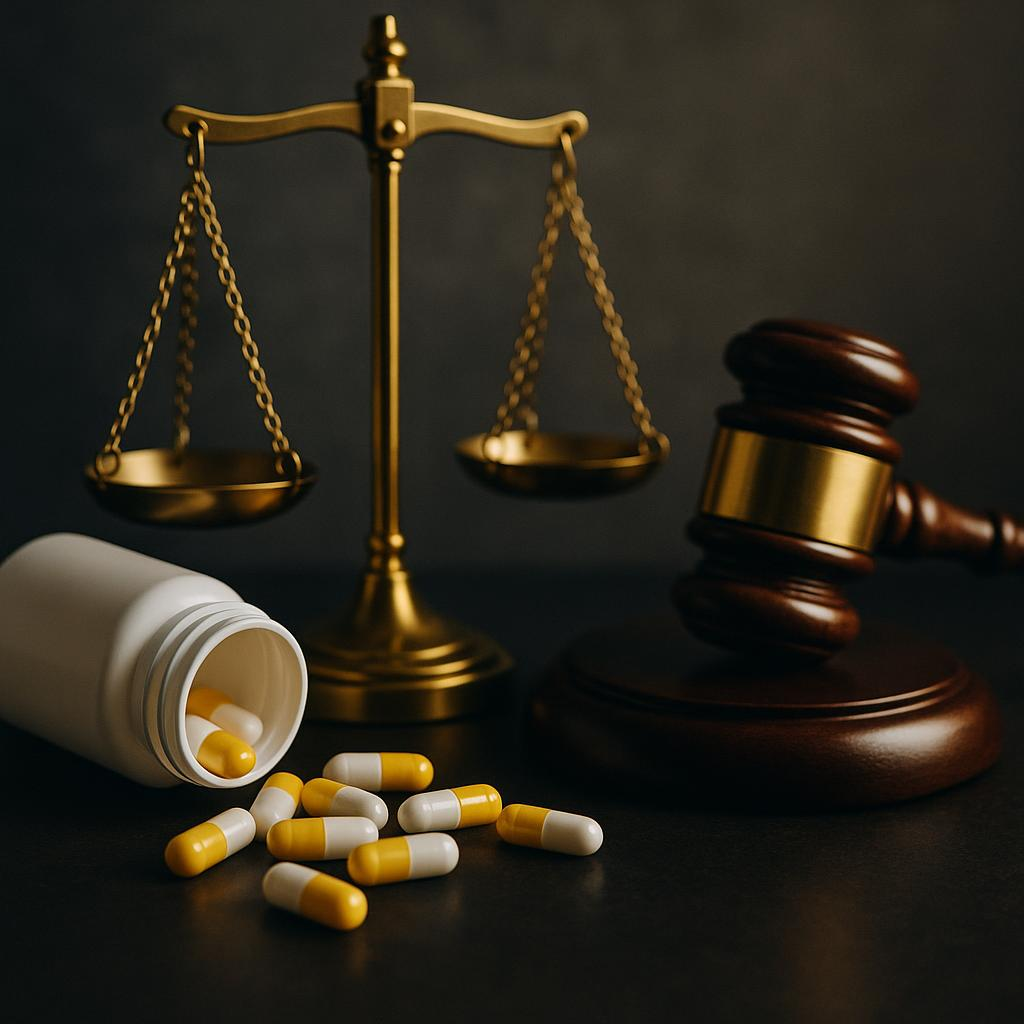
Understanding Medication Risks and Advocating for Your Health
Medications are designed to protect and improve our health, but sometimes they can pose unexpected dangers. In particular, certain drugs have been linked to serious health risks, including cancer. While pharmaceutical companies have a legal responsibility to ensure medication safety, there have been instances where this obligation has not been met. Being informed is crucial for patients and caregivers alike.
Key points to consider:
- Cancer risks have been associated with some common medications.
- Drug manufacturers may not always comply fully with safety laws.
- Patients should stay informed and consult healthcare providers regularly.
- Legal avenues exist to hold pharmaceutical companies accountable for defective or dangerous drugs.
The Importance of Medical Monitoring After Toxic Exposure
Many health issues related to toxins and dangerous medical devices do not surface immediately. Long-term exposure to harmful substances can result in diseases that develop over many years. In these situations, medical monitoring can be life-saving by identifying health problems early.
For those potentially exposed to toxins through medications, implants, or environmental factors, proactive health surveillance is recommended. Early detection improves treatment outcomes and facilitates timely legal action when necessary.
Recent Legal Developments and Litigation in Product and Personal Injury Cases
Litigation continues to shape the landscape of product liability and personal injury law. Courts and regulatory bodies are addressing new challenges presented by evolving scientific evidence and emerging technologies.
- Expert testimony standards: The Ninth Circuit clarified that there is no presumption of admissibility under Rule 702, emphasizing rigorous evaluation of expert opinions to ensure reliability.
- Employer liability: A $27 million verdict in Ohio highlights the need for employers to properly vet and train employees to avoid liability for violent incidents.
- Regulatory scrutiny of e-commerce: The U.S. Consumer Product Safety Commission has classified Amazon as a “distributor” under federal law, affecting responsibility for product safety.
- Medical device hazards: The FDA receives millions of reports annually related to device-associated injuries and deaths, underscoring the critical need for vigilance.
Emerging Scientific Research Impacting Legal Perspectives
Scientific advances are changing how conditions like mesothelioma and traumatic brain injuries (mTBI) are understood, which has legal implications.
- Genetics and mesothelioma: New research suggests genetic mutations such as those in the BAP1 gene may cause mesothelioma independent of asbestos exposure.
- Diffusion tensor imaging (DTI) in mTBI: Systematic reviews endorse DTI as an important tool within clinical assessments, strengthening its admissibility as evidence.
Regulatory Updates Affecting Food and Consumer Products
The FDA is actively guiding manufacturers on safer practices, such as the push to phase out FD&C Red No. 3 food coloring earlier than the previous 2027 deadline due to safety concerns.
Additionally, ongoing legal and regulatory trends in the food, beverage, and consumer packaged goods industries continue to evolve, with class-actions and enforcement actions increasing in frequency.
Legal Insights on Vehicle and Personal Injury Cases
Legal decisions related to vehicle accidents are clarifying standards of liability and damages, holding companies and individuals accountable.
- Proximate cause clarified: The Texas Supreme Court ruled that defendants’ conduct must be a substantial factor in causing harm for liability to attach.
- Dangerous instrumentality doctrine: Florida courts reinforced that company vehicle policies do not automatically shield employers from liability.
- Helmet laws and liability: In California, bicycle accident claims are affected by helmet laws and comparative negligence standards.
- Types of damages: Understanding compensatory and punitive damages is important when pursuing injury claims.
Key Takeaways for Staying Informed and Protected
Whether you are a patient, consumer, or involved in legal actions related to personal injury or product liability, staying informed is essential. Below are practical tips to guide you:
- Regularly consult healthcare providers about the risks and benefits of medications you take.
- Monitor for any long-term health issues related to exposure to toxins or medical devices.
- Understand your legal rights if injured due to defective products or negligence.
- Keep records and documentation related to injuries or exposures for possible legal claims.
- Follow updates on regulatory changes that could impact product safety and manufacturer responsibilities.
By staying proactive and knowledgeable, individuals can better navigate the complex intersection of health, safety, and the law in today’s increasingly regulated and scientifically advanced world.