
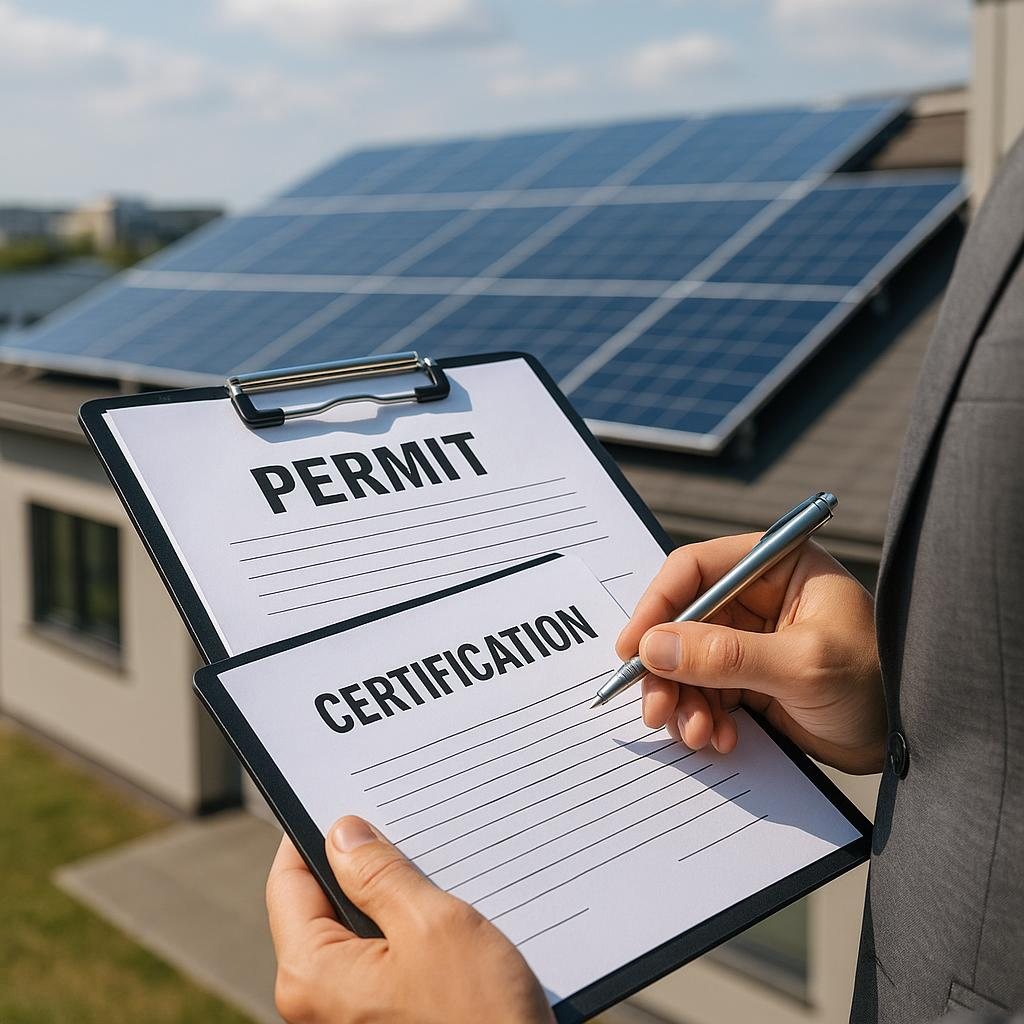
Understanding the Importance of Permits and Certifications
When planning a solar installation, whether residential or commercial, securing the correct permits and certifications is essential. These approvals ensure your system complies with local laws, safety standards, and utility requirements. Proper permitting also protects your investment by facilitating inspections and qualifying your project for incentives.
Without the right permits, installations risk delays, fines, or even having to be dismantled. Certifications, on the other hand, demonstrate that your system meets industry benchmarks, which is critical when connecting to the grid or obtaining warranties. Together, they form the foundation of a successful solar project that operates legally and efficiently.
Initial Steps: Research Local Regulations and Requirements
The first step in the permitting process is understanding the local jurisdiction’s rules. Solar installation regulations vary widely by city, county, and state. Researching these early helps streamline the process and avoids surprises.
- Contact your local building department to inquire about necessary permits.
- Identify which solar system components require inspections.
- Check for specific utility company requirements or interconnection agreements.
For commercial projects, additional zoning or environmental permits might apply, whereas residential systems generally focus on building and electrical permits. Gathering documentation before submitting applications saves time and keeps your project on track.
Obtaining Building and Electrical Permits
Most solar panel installations require at least two main types of permits: building permits and electrical permits. Building permits ensure your installation complies with structural and safety codes, while electrical permits verify proper wiring and system integration.
The permit application typically includes detailed plans, such as:
- Site layout showing panel placement.
- Electrical schematics detailing connections.
- Manufacturer specifications and equipment ratings.
Submitting accurate documents expedites the review process. After permit approval, scheduled inspections will verify that construction follows approved plans.
Certification for Electrical Components and Installer Qualifications
Certification often extends beyond permits to the components and installer credentials. Panels, inverters, and other equipment commonly must meet standards like UL (Underwriters Laboratories) or IEC (International Electrotechnical Commission) certifications.
- This assures the equipment’s safety and performance reliability.
- Certified installers demonstrate professionalism and knowledge of code compliance.
- Many utility companies require certified personnel to authorize grid interconnection.
Hiring licensed and certified installers reduces risks and expedites approval from authorities and utilities. Always verify certifications before beginning installation to maintain eligibility for rebates or incentives.
Navigating Utility Interconnection Agreements
Connecting your solar system to the electrical grid requires a utility interconnection agreement. This formal contract outlines the terms for safely and legally feeding power back to the grid and for net metering arrangements.
Before installation, submit detailed system information to the utility, including:
- System size and technology specifications.
- One-line electrical diagrams.
- Proof of required permits and certifications.
The utility will review the application and set conditions or inspections for the connection. Delays often arise from incomplete applications, so meeting all documentation requirements upfront is vital.
Final Inspections and Approvals
After installation is complete, final inspections confirm that the solar setup complies with all permit and code requirements. Inspectors evaluate structural integrity, electrical safety, and adherence to approved plans.
- Successful inspection leads to a certificate of completion or equivalent sign-off.
- This approval allows you to safely operate your solar system and connect to the grid.
- It may be necessary to schedule inspections separately with building departments and utilities.
Ensure you prepare for inspections by reviewing permit conditions and addressing any corrective actions quickly. Compliance at this stage prevents costly delays or operational restrictions.
Tips for a Smooth Permitting and Certification Process
Success in obtaining the necessary permits and certifications relies on organization, clear communication, and thorough preparation.
- Start permit applications early to factor in review times and possible revisions.
- Work with qualified professionals who understand local codes and utility policies.
- Keep comprehensive records of submissions, approvals, inspections, and correspondence.
By following these steps and staying informed, residential and commercial solar projects can achieve legal compliance with minimal hassle, paving the way for clean, efficient energy generation.