
Innovative Solar Projects and Technologies on the Rise
The solar energy sector is witnessing remarkable developments, ranging from cutting-edge technology integrations to novel project implementations across the globe. These advancements emphasize not only clean energy adoption but also innovative approaches to sustainability and energy efficiency.
Among the exciting innovations, Prolectric has introduced the ProCharge, a rugged, compact, skid-mounted generator combining 12 high-wattage solar panels with a massive 120 kWh battery. This combination is designed to deliver significant off-grid power, ideal for remote or disaster-prone areas requiring reliable renewable energy solutions.
Another noteworthy project is happening in Swisher County, where a solar farm integrates agriculture by using sheep to control vegetation around solar panels. This dual-use approach helps maintain panel efficiency while promoting sustainable land management.
In West Africa, Scatec is set to deploy a 60MW solar photovoltaic (PV) system coupled with 10MWh of pre-assembled energy storage. Their recent lease agreements in Liberia and Sierra Leone mark a substantial step toward expanding renewable infrastructure on the continent.
Additionally, Indian solar firms are actively adjusting their supply chains to navigate newly implemented U.S. tariffs, some as high as 50 percent. Companies like Vikram Solar source cells from countries with lower duties, while Waaree Energies maintains a China-free U.S. supply chain. Both reports indicate these adjustments have not negatively impacted their orders yet, aiming to minimize tariff-related disruptions.
Solar Energy in Communities and Industry
At the community level, the completion of a 1.5-megawatt ground-mounted solar power installation in Kettering, Ohio, marks a significant contribution to local renewable energy generation. This new project enhances the region’s clean energy portfolio, supporting sustainability goals.
In Denmark, Fujifilm’s site now operates entirely on 100% solar-powered electricity as part of the company’s commitment to reduce emissions by 50% by 2030. This milestone showcases how large industrial facilities can lead by example in green energy adoption.
On the residential front, Daylight Energy has successfully raised $75 million to expand its decentralized solar energy network. Founded in 2022, the New York-based company offers a model enabling homeowners to generate and share power while reducing energy bills and maintaining power during outages with solar and battery storage systems.
Legal and Policy Challenges Impacting Solar Expansion
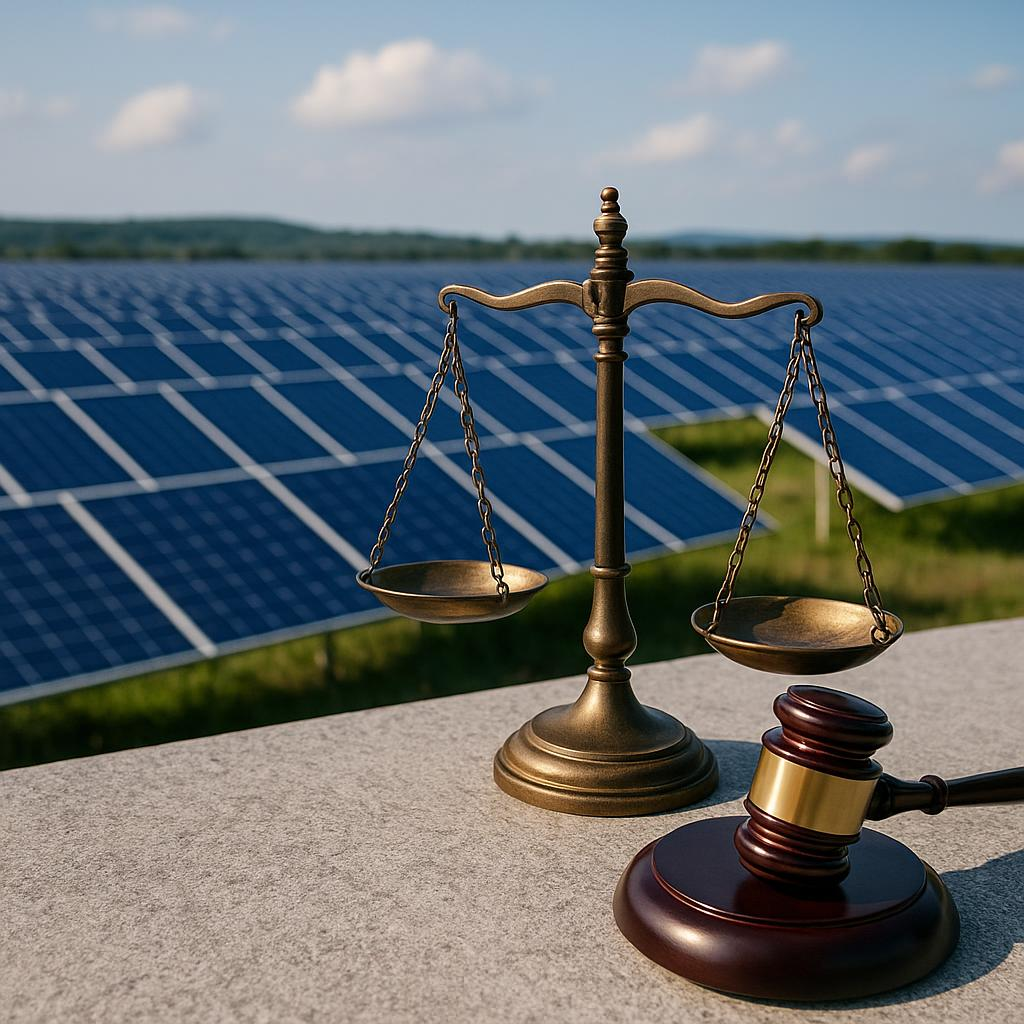
Despite these positive strides, the solar energy industry is grappling with significant legal challenges, particularly regarding funding for low-income solar programs.
More than 20 U.S. states, including Illinois, Washington, Maine, North Carolina, and many others, have filed lawsuits against the Trump administration and the Environmental Protection Agency (EPA) over the abrupt cancellation of the $7 billion Solar For All program. This program was designed to bring solar energy benefits to over 900,000 low-income families nationwide.
The states argue that revoking these funds is illegal and that the decision reversed 90% of grants intended for low-income solar projects, stalling clean energy progress in vulnerable communities. For instance, North Carolina’s Attorney General Jeff Jackson joined 22 other states in the lawsuit seeking restoration of funds that would have supported rooftop solar installations in rural and disadvantaged areas.
Washington’s Attorney General is also co-leading the case, now joined by Oregon and others, emphasizing the broad bipartisan and geographic support to maintain funding for solar equity initiatives.
Fast-Tracking Solar Projects and Market Momentum
In response to the need for quicker clean energy deployment, the Illinois Commerce Commission has approved a plan to fast-track solar projects within the state. This regulatory move aims to accelerate renewable expansions and improve utility infrastructure amid expiring federal tax credits for clean energy.
Investor confidence is also growing. First Solar, a leading U.S.-based solar module manufacturer, has experienced a 35% increase in its stock value year-to-date. This surge is credited to a combination of supportive policies, positive investor sentiment, and broader clean energy market momentum.
Meanwhile, Array Technologies, after acquiring APA Solar and reporting strong quarterly earnings, has bolstered its market position through innovation and geographic diversification. The company is attracting positive analyst coverage following strategic product launches and refinancing efforts.
Environmental and Technical Insights
Organic photovoltaics (OPVs) continue to gain attention for their flexibility, lightweight design, and potential cost advantages. Researchers highlight challenges such as thermal instability, but new studies propose strategies stabilizing multiple components to enhance device resilience under thermal stress.
As clean energy technologies evolve, industry leaders and scholars underscore the importance of sustainability throughout a solar panel’s lifecycle. The Solar Energy Industries Association and related groups provide recycling resources addressing concerns about material use and end-of-life management for solar modules.
Scientists and space innovators are even exploring futuristic concepts like deploying orbital mirrors to redirect sunlight from space, extending solar access beyond daylight hours. Though met with some controversy by the astronomical community, these plans highlight the ongoing quest to harness solar power in novel ways.
Looking Ahead: Challenges and Opportunities
- Legal challenges over funding threaten progress for low-income solar access, necessitating policy resolution.
- Community and industrial solar installation projects continue to demonstrate scalable clean energy solutions.
- Technological advancements in solar energy generation and storage improve reliability and off-grid capabilities.
- Investor interest and supportive regulations catalyze market growth and innovation.
- Sustainable practices including panel recycling and combined land use strengthen the overall impact of solar adoption.
Together, these developments depict a dynamic solar energy landscape where technology, policy, and community action intersect. While hurdles remain, the momentum toward a more sustainable and equitable clean energy future is unmistakable.