
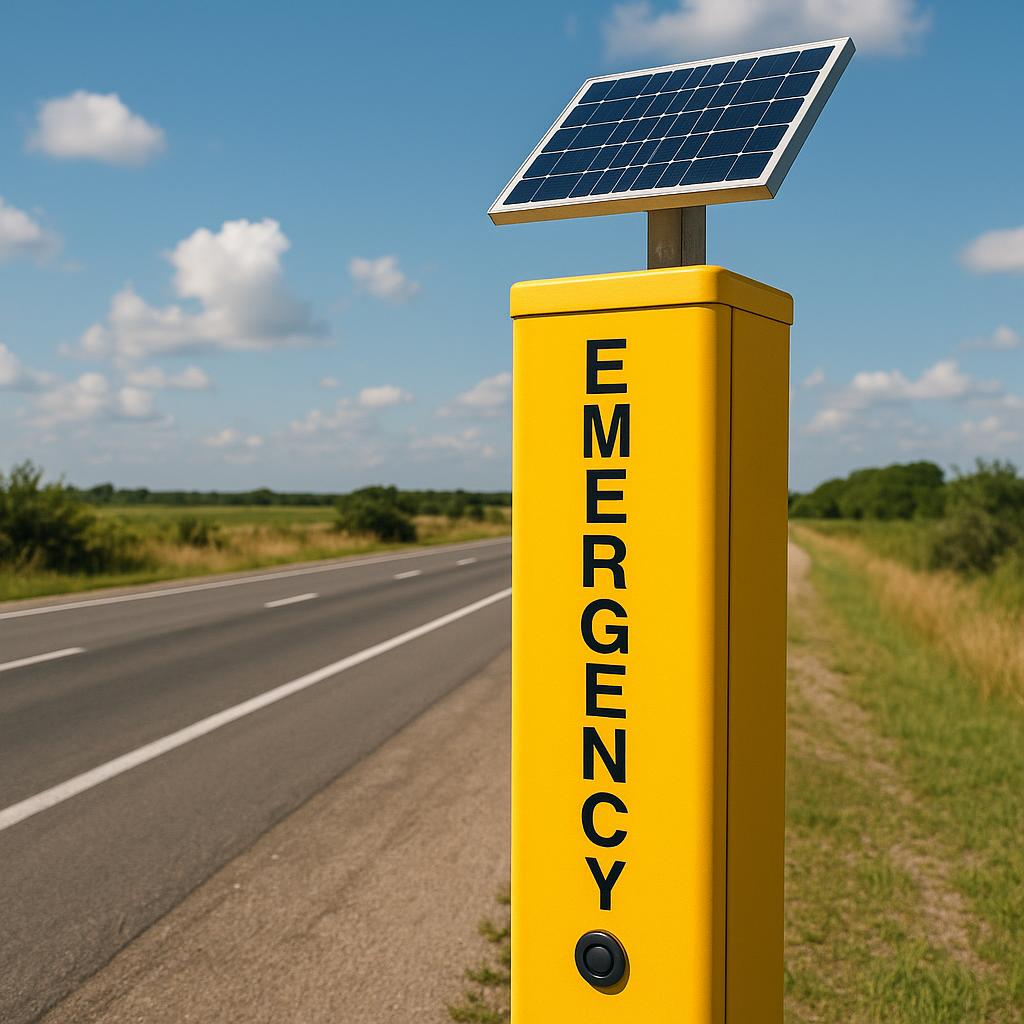
Understanding Solar-Powered Emergency Call Boxes
Solar-powered emergency call boxes serve as critical communication points in emergencies, especially in remote or hazardous locations. Unlike traditional wired call systems, these boxes harness solar energy to remain operational even during power outages, providing a reliable line for assistance when it matters most. Their self-sufficiency minimizes maintenance needs and ensures a constant power supply without the complexities of electrical infrastructure.
The integration of solar panels represents an eco-friendly approach that aligns with sustainability goals. This renewable energy source reduces operational costs while guaranteeing availability during emergencies, making it immensely valuable for public safety and emergency response teams alike.
Enhancing Roadside Safety with Solar-Powered Stations
Roadside assistance stations equipped with solar power offer drivers immediate help during breakdowns or accidents. These stations often include tools, communication devices, and signage, providing multiservice support that can be accessed 24/7. Their standalone capability means they can be strategically placed along highways and rural roads where assistance is sparse.
Due to their positioning and constant power, these stations improve response times and reduce the risks associated with being stranded. For travelers, especially in low-visibility or isolated areas, knowing that such resource points exist adds a layer of security and peace of mind.
Benefits of Solar Energy in Emergency Contexts
Solar power enhances emergency call infrastructures through several advantages. Firstly, it enables continuous operation regardless of grid status, crucial during natural disasters that may disrupt conventional power. Secondly, solar energy reduces the carbon footprint by promoting clean energy usage. Lastly, the decentralized power source allows emergency units to be installed in areas lacking dependable electricity.
These benefits collectively create a more resilient and sustainable emergency communications network, improving community safety and environmental stewardship.
Key Features of Solar-Powered Emergency Installations
Effective solar-powered emergency call boxes and roadside stations typically include several key components:
- High-capacity solar panels: Capture adequate sunlight to support continuous operation even in less sunny conditions.
- Robust battery storage: Store energy to maintain functionality during nighttime or cloudy days.
- Weather-resistant casings: Protect sensitive electronics from environmental damage.
- Clear, intuitive user interfaces: Facilitate quick access to help, minimizing user confusion during stressful situations.
These elements work together to provide reliable, user-friendly assistance infrastructure that can withstand diverse environmental challenges.
Practical Examples of Their Impact
There are numerous instances where solar-powered emergency call boxes have proven invaluable. For example, drivers stranded on rural highways have accessed prompt help even when cell service was unavailable. Similarly, cyclists or pedestrians in isolated parks or trails have been able to summon aid efficiently.
These cases highlight how solar-powered stations fill critical gaps by offering reliable communication options, especially in locations where traditional connectivity fails or is insufficient. Their presence can reduce emergency response times and potentially save lives.
Maintaining and Optimizing Solar Emergency Systems
To maximize effectiveness, regular maintenance of solar-powered emergency stations is essential. This includes cleansing solar panels to ensure efficient energy capture, testing battery performance, and verifying communication equipment operation. Routine inspections help identify wear or damage caused by weather or vandalism.
- Schedule periodic cleaning and equipment checks.
- Promptly replace batteries or components exhibiting decline.
- Implement remote monitoring technologies to detect faults early.
Optimal upkeep ensures continuous readiness and prevents unexpected outages, enabling emergency call systems to function when people need them most.
Future Prospects and Innovations
Advances in solar technology and energy storage promise even greater efficiency for emergency communication stations. Emerging features may include enhanced solar panels with higher power conversion rates and improved battery chemistries for longer-lasting energy reserves. Additionally, integration with smart city infrastructure could allow real-time data sharing and faster dispatching of emergency services.
These developments will further solidify the role of solar-powered emergency call boxes and roadside stations as indispensable tools for public safety, sustainability, and accessibility.